

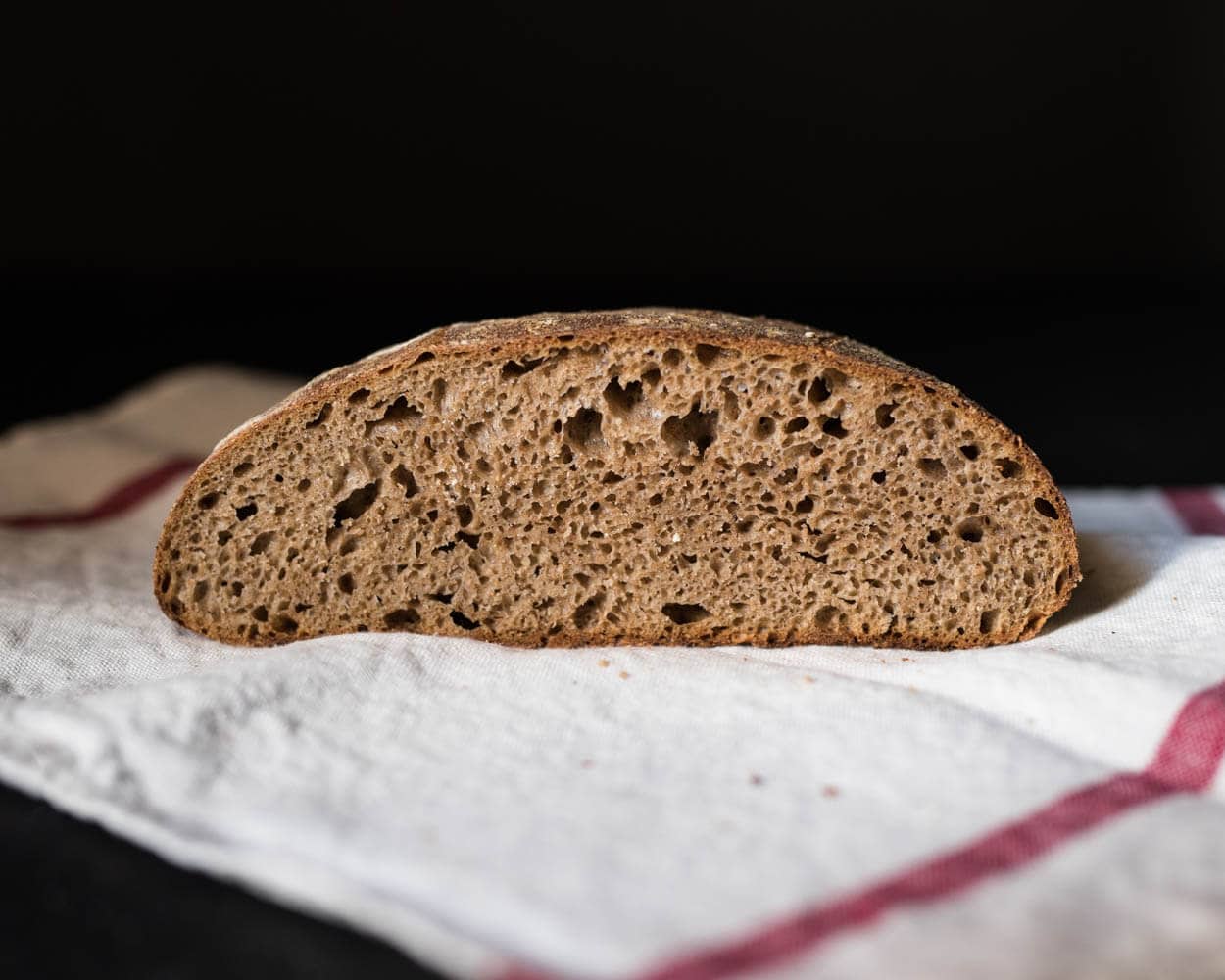
The wonderfully rich flavor profile of whole wheat sourdough bread ranges from sweet caramel notes to robust earthiness depending on the wheat variety used. But what I find even more important is the sense of satisfaction when eating this style of bread, both in terms of satiety and knowing you’re eating all of the nutrition a wheat berry has to offer.
Depending on the wheat variety you use, whole hard red wheat will give an upfront and personal flavor profile, whereas a white whole wheat loaf will be more subtle, thanks to the reduced tannins. Both kinds of wheat and other grain like spelt, Khorasan, and even durum are worthy additions to a loaf, as they serve different desires. My favorite, though, is to use hard red wheat, as I do in this recipe, to get all that robust and punchy wheat flavor.
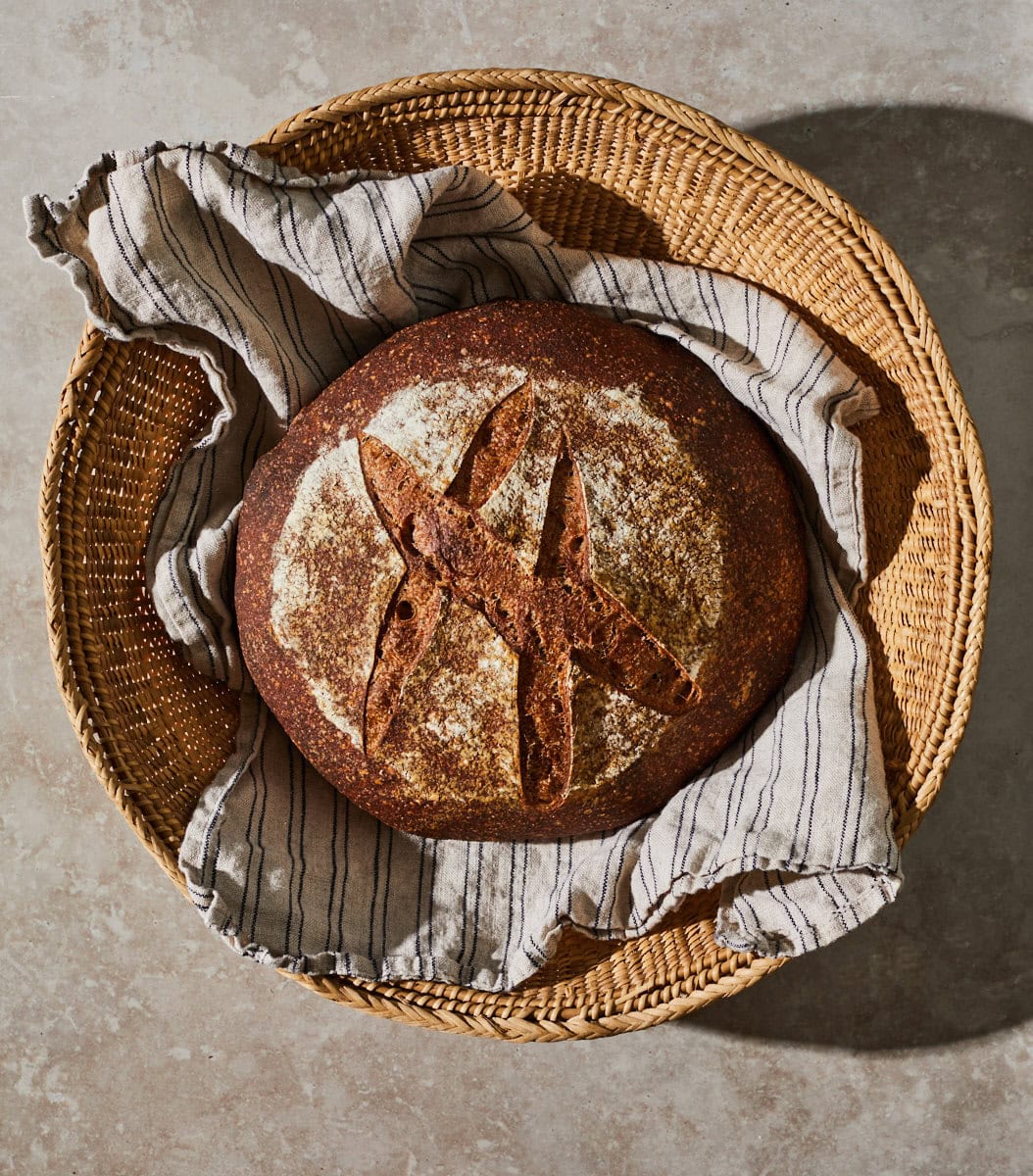
When it comes to whole-grain bread, it’s important to adjust our expectations of what exactly makes a successful loaf. Because whole wheat flour contains the entirety of the wheat berry, including much more of the nutritious bran and germ—and more fiber—the final loaf will be a little more squat than bread made with highly sifted white flour. But! While you’re trading ultra-tall loaves with an open crumb for a squatter loaf with a tighter interior, whole wheat sourdough bread is like a pirate’s ship hauling new bounty, laden with copious flavor and nutrition.
Still, if you want to eke out the highest rise and the most open whole wheat sourdough bread, I have an option with this bread to sift out the bran and germ, create a soaker from these bits, and then work them back into the dough during bulk fermentation. This sifting and scalding, as it’s sometimes called, helps you get more rise in a loaf by softening these nutritious bits by treating them like any seed soaker or other mix-in. This helps preserve a strong gluten network and open interior without forgoing nutrition or flavor.
Note: if you have my sourdough bread cookbook, you’ll find this recipe starting on page 219!
Flour Selection
I used Cairnspring Organic Whole Grain Expresso flour for this 100% whole wheat sourdough bread. This flour, made from hard red spring wheat, has a protein percentage of around 13.5 to 14.5%.
Note that compared to high-protein white flour, also known as whole wheat flour with a high protein content, is not “high-protein” in the same way we think about something like white bread flour. This is because whole wheat flour contains the entirety of the wheat berry, including the brand and germ, which are naturally high in protein. So while whole-grain flour is “high-protein,” it’s referred to as such because it is literally the entire grain, and not because it’s very strong white flour.
Due to the nature of whole wheat flour and the high level of nutrients available for your starter or levain, dough fermentation will be vigorous. Keep an eye on your dough during bulk fermentation, especially if it’s warm in your kitchen, and divide the dough when it looks ready (more on this later).
Can I Use Freshly-Milled Flour for This Whole Wheat Sourdough Bread?
Yes, freshly-milled whole-grain flour can be used for this sourdough bread recipe. Use your home grain mill to mill whole wheat berries into the finest flour possible. If available, I recommend using Yecora Rojo hard red wheat berries.
Be sure to follow my guide to freshly-milled flour at home for more tips on operating your mill for the highest quality flour and storing it after milling.
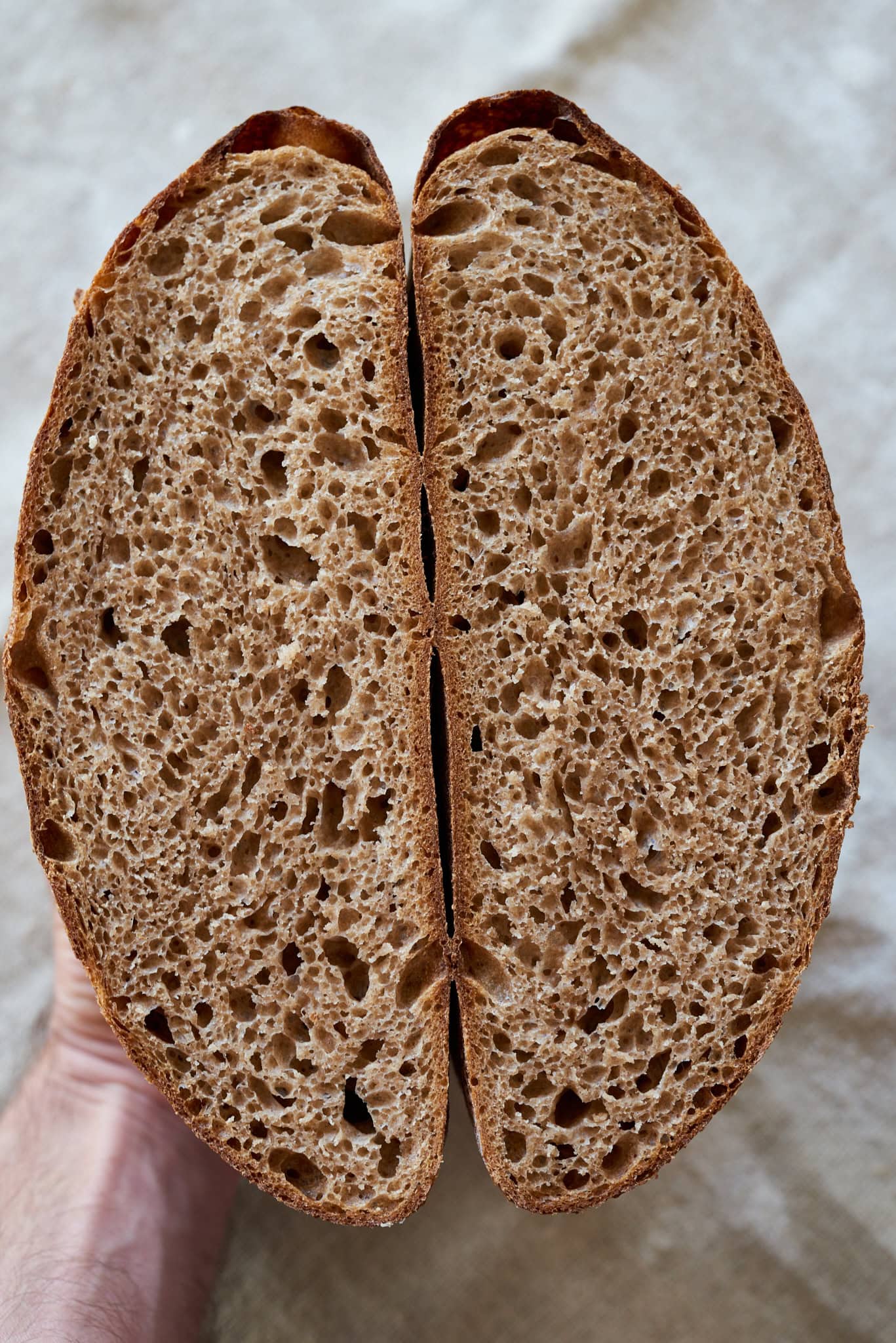
Why is Whole Wheat Bread Dense?
White flour primarily contains only the starchy and strong endosperm part of the wheat berry. When mixed into a dough, white flour produces an extensible and tight-knight viscoelastic dough that excels at trapping the gaseous byproducts of fermentation. With sourdough fermentation, and assuming all else equal, white dough is generally less acidic (higher in pH) when baked, leading to less gluten breakdown.
This means bread with potentially large interior holes, or an open crumb.
One challenge in baking bread with 100% whole-grain flour is that the resulting loaf will have less volume than a loaf made from all white flour (or a mix of white and whole wheat flour). Unlike white flour, whole-grain flour contains the entirety of the wheat berry, including the fibrous bran and germ. These nutritious bits can interfere with gluten development and, to a degree, reduce the volume and openness of a loaf.
But there’s a way around all that.
For Open Whole Wheat Bread, Sift and Scald Your Flour
To reduce the effect of the increased bran and germ in whole wheat flour, which can result in a tighter crumb, these larger bits can be sifted out of the flour, soaked in boiling water, and then reincorporated into the dough at the end of mixing or beginning of bulk fermentation. By performing this, we can soften these large particles and add them in after the dough has been strengthened when mixing (especially if you’re mixing in a mechanical mixer).
In essence, we’re transforming our whole wheat flour into whiter flour, then adding back in the bran and germ using a technique similar to that of porridge bread.
Another way to look at it is to think of the sift-and-scald technique as similar to how seeds, nuts, or other mix-ins might be incorporated gently into dough to reduce their impact on its structure.
Note that it’s a little easier to add the scalded mixture back into the dough at the very end of mixing instead of folding it back in during bulk fermentation—and it’s just fine to do this. (I personally add it back in bulk fermentation to reduce the impact on the dough structure as much as possible, but it does take some work to get it reincorporated.)
Sifting and Scalding Whole-Grain Flour: Step by Step
- Place a flour sifter or sifting screen over a large container or bowl
- Pour all of the whole wheat flour called for in the recipe on top of the screen
- Shake the container and screen to allow the fine bits (endosperm) fall through while the larger bits (bran and germ) are retained on top of the screen
- Remove the sifter and pour the retained bran and germ into a heatproof container or bowl and pour in boiling water to cover
- Let the mixture cool, then cover until ready to add it to dough at the end of mixing or in bulk fermentation
This is the sifting screen I use. After sifting my flour, about 13% remained on the screen. This means if I sifted 1000 grams total whole wheat flour, I’d have about 130 grams leftover to scalded. The final extraction heavily depends on the flour you’re using and how it was milled.
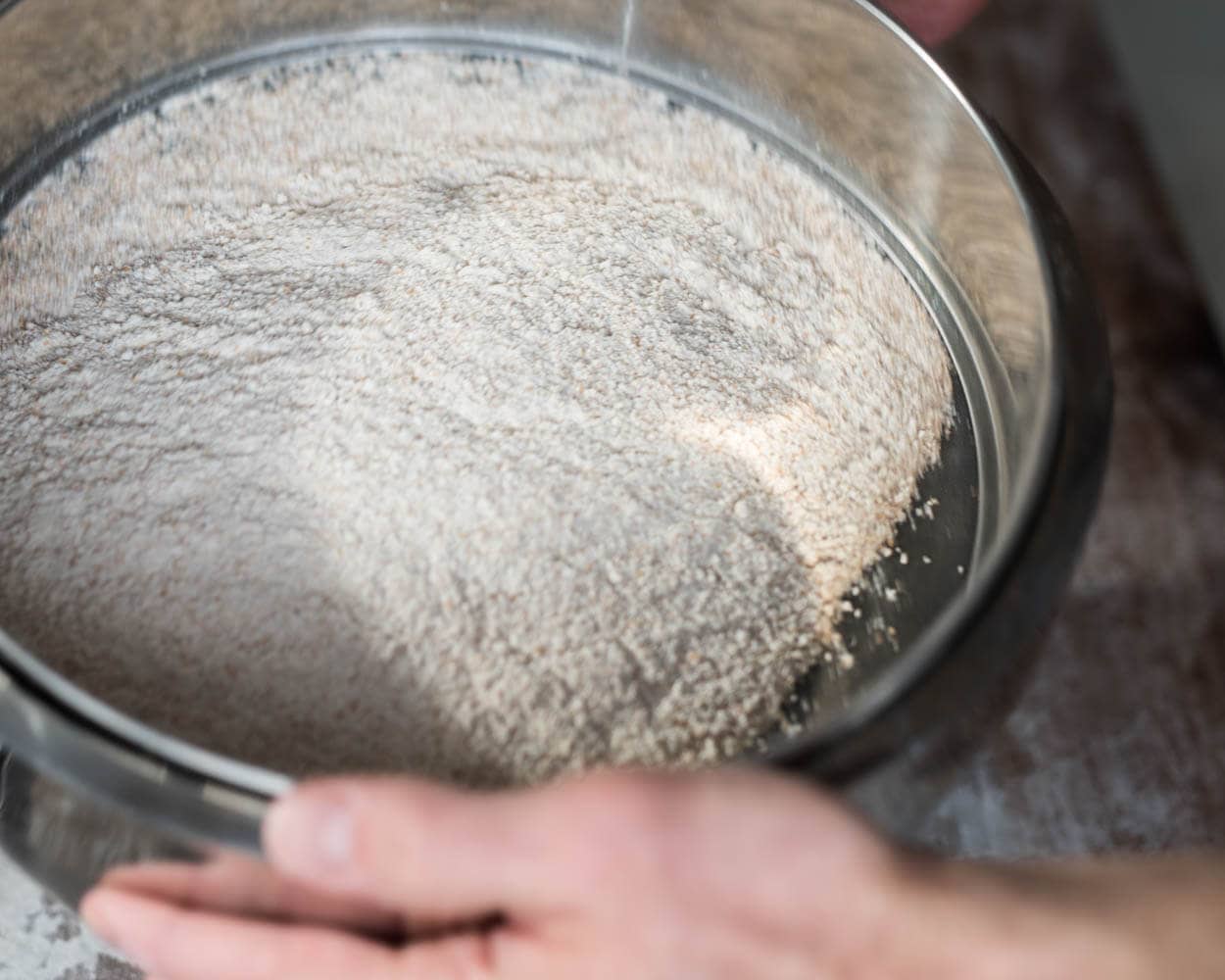
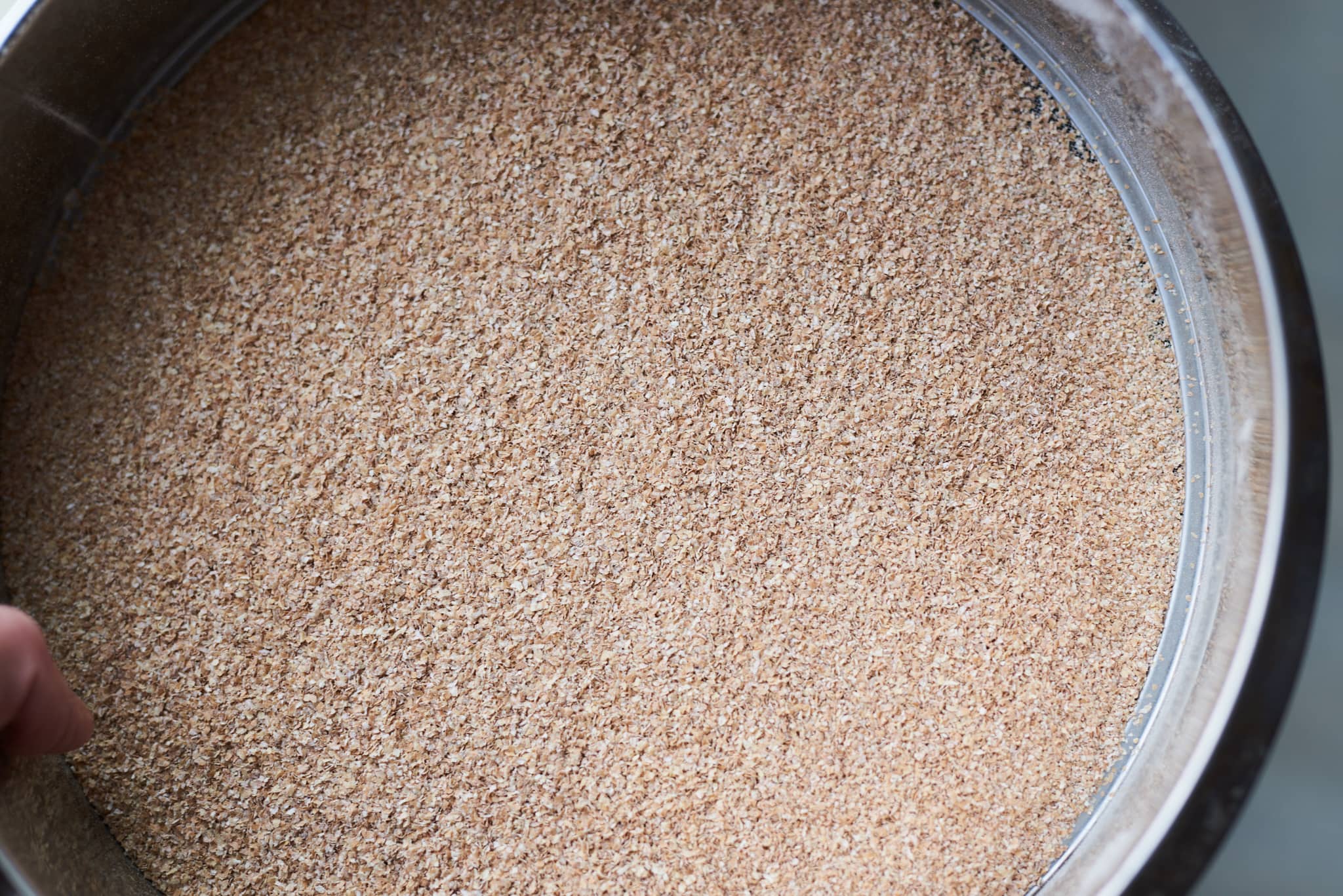
If your screen is more coarse or more fine, it’s okay, too. The extraction percentage here doesn’t have to be precise. Any amount sifted out will help lighten the loaf and it’s okay if more or less flour ends up in the dough.
Note that the amount of water used to scald the bran and germ should be accounted for in the recipe. In other words, I will take water from Water 1 or Water 2 (the water used in the recipe). This way, you’re not adding extra water to the dough, which may result in overhydration.
Baking Schedule
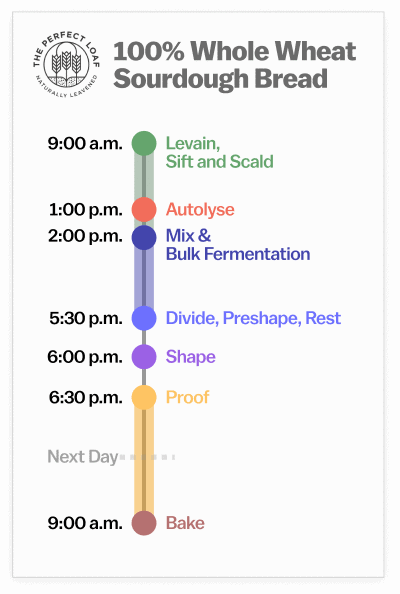
This whole wheat sourdough bread is made over two days for increased flavor and a convenient baking schedule. But it’s also possible to make it in a single day by allowing the dough to proof on the counter, shape it, and cover until it is puffy, relaxed, and passes the poke test (about 2 to 4 hours, temperature depending).
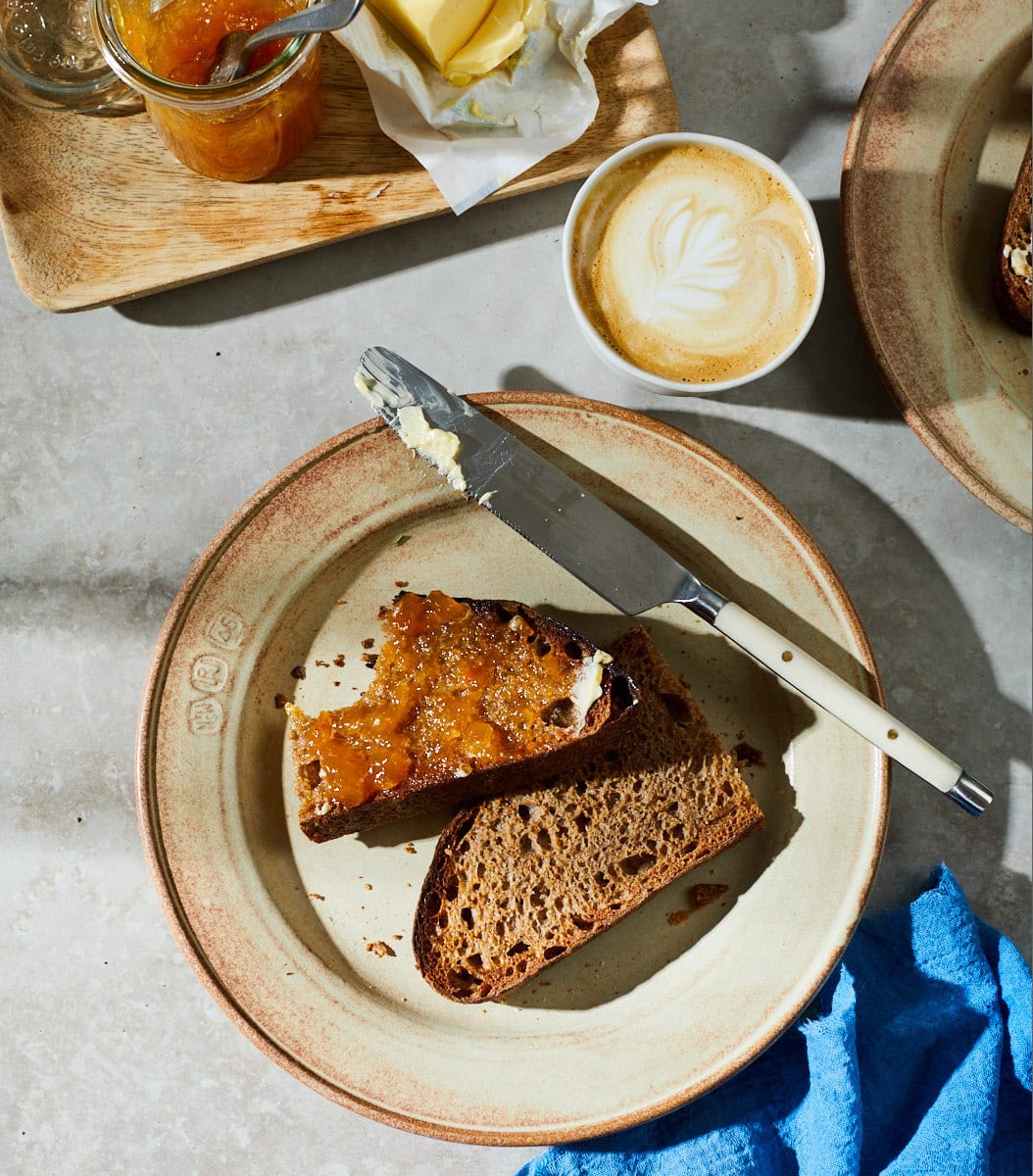
100% Whole Wheat Sourdough Bread Recipe
For tips on calculating baker’s percentages or modifying this formula (including baking only a single loaf), see my post on baker’s percentages (baker’s math).
Vitals
| Total dough weight | 1,800 grams |
| Prefermented flour | 7.0% |
| Levain in final dough | 15.1% |
| Hydration | 90.0% |
| Yield | Two 900g loaves |
Total Formula
Desired dough temperature: 75°F (23°C) (see my post on the importance of dough temperature).
| Weight | Ingredient | Baker’s Percentage |
|---|---|---|
| 921g | Whole wheat flour (Cairnspring Organic Whole Grain Expresso or Central Milling Hi-Pro Fine Whole Wheat) | 100.0% |
| 737g | Water 1 (levain, optional scald, and autolyse) | 80.0% |
| 92g | Water 2 (mix) | 10.0% |
| 18g | Fine sea salt | 1.9% |
| 32g | Ripe sourdough starter, 100% hydration | 3.5% |
Additional Ingredients
About 60g (½ cup) of raw wheat bran or, previously sifted bran and germ, for topping (optional)
100% Whole Wheat Sourdough Bread Method
1. Prepare the levain – 9:00 a.m.
| Weight | Ingredient | Baker’s Percentage |
|---|---|---|
| 64g | Whole wheat flour | 100.0% |
| 32g | Water 1 (levain) | 50.0% |
| 32g | Ripe sourdough starter, 100% hydration | 50.0% |
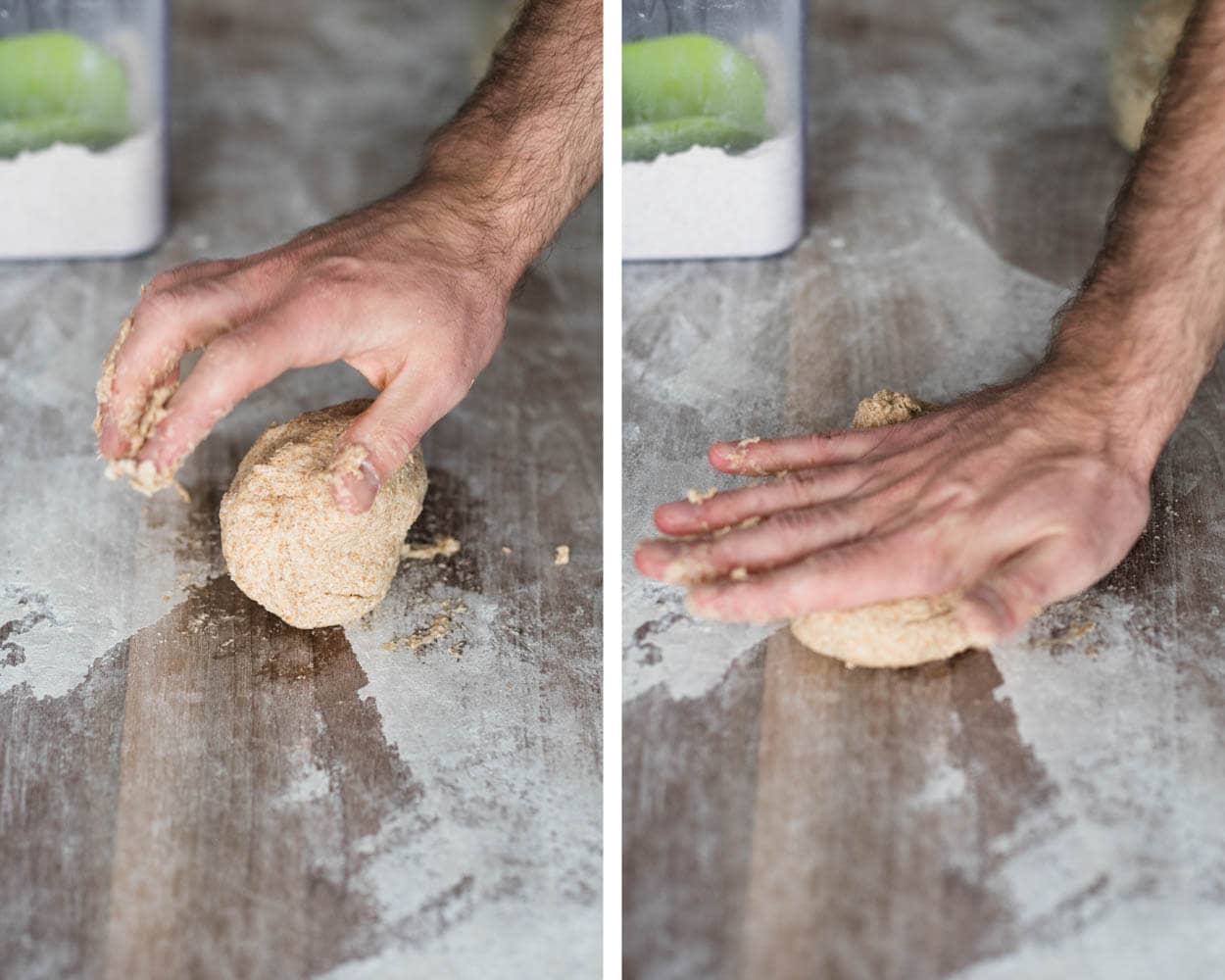
Mix the ingredients in the chart above in your favorite jar and leave them covered at a warm temperature, 74-76°F (23-24°C), to ripen for 5 hours. This is a stiff levain; if it is hard to knead the ingredients together, use more water as needed to make incorporation easier.
2. Optional: Sift and scald flour – 9:10 a.m.
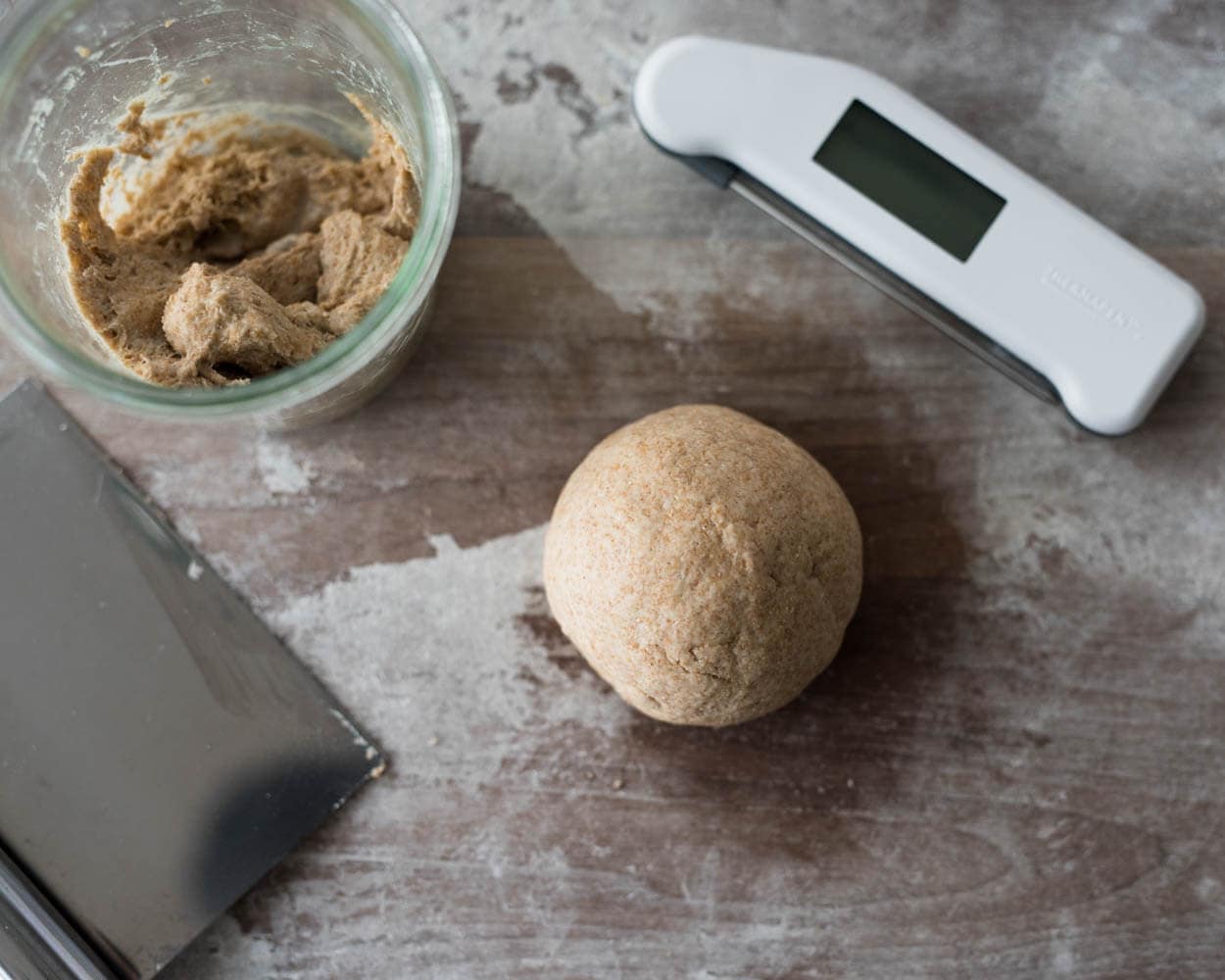
Place your sifting screen over a large container. Pour some whole wheat flour and sift it by shaking the stack. When no more flour falls through, continue until you’ve processed all the flour.
Place the sifted-out bran and germ in a heatproof bowl and pour 200 grams of boiling water on top to cover. Let this soaking mixture rest near your levain until we are ready to mix the dough.
See earlier in this post, here, for more details on sifting and scalding.
3. Autolyse – 1:00 p.m.
| Weight | Ingredient |
|---|---|
| 857g | Whole wheat flour (minus any sifted) |
| 705g (or 505g if sifting and scalding, which will absorb all 200g of water) | Water 1 (autolyse) |
I use the autolyse technique for this recipe to help reduce the total mixing time required, but I also find it helps aid in the dough’s extensibility.
Warm or cool the autolyse water so that the temperature of the mixed dough meets the final dough temperature (FDT) of 75°F (23°C) for this recipe. Place the flour and water 1 (autolyse) in a large bowl. Use wet hands to mix until no dry bits remain; the dough will be shaggy and loose. Use a bowl scraper to scrape down the sides of the bowl to keep all the dough in one area at the bottom. Cover the bowl and place it near your levain for 30 minutes.
4. Mix – 2:00 p.m.
| Weight | Ingredient |
|---|---|
| 92g | Water 2 (mix) |
| 18g | Fine sea salt |
| 128g | Ripe levain (from Step 1) |
This highly hydrated whole wheat dough benefits from extra strengthening during mixing. Below, I’ll discuss mixing this dough by hand, but it’s also possible to use a mechanical dough mixer. In this case, mix the dough until it smooths and holds itself together, about 5 to 6 minutes on speed 2 in total.
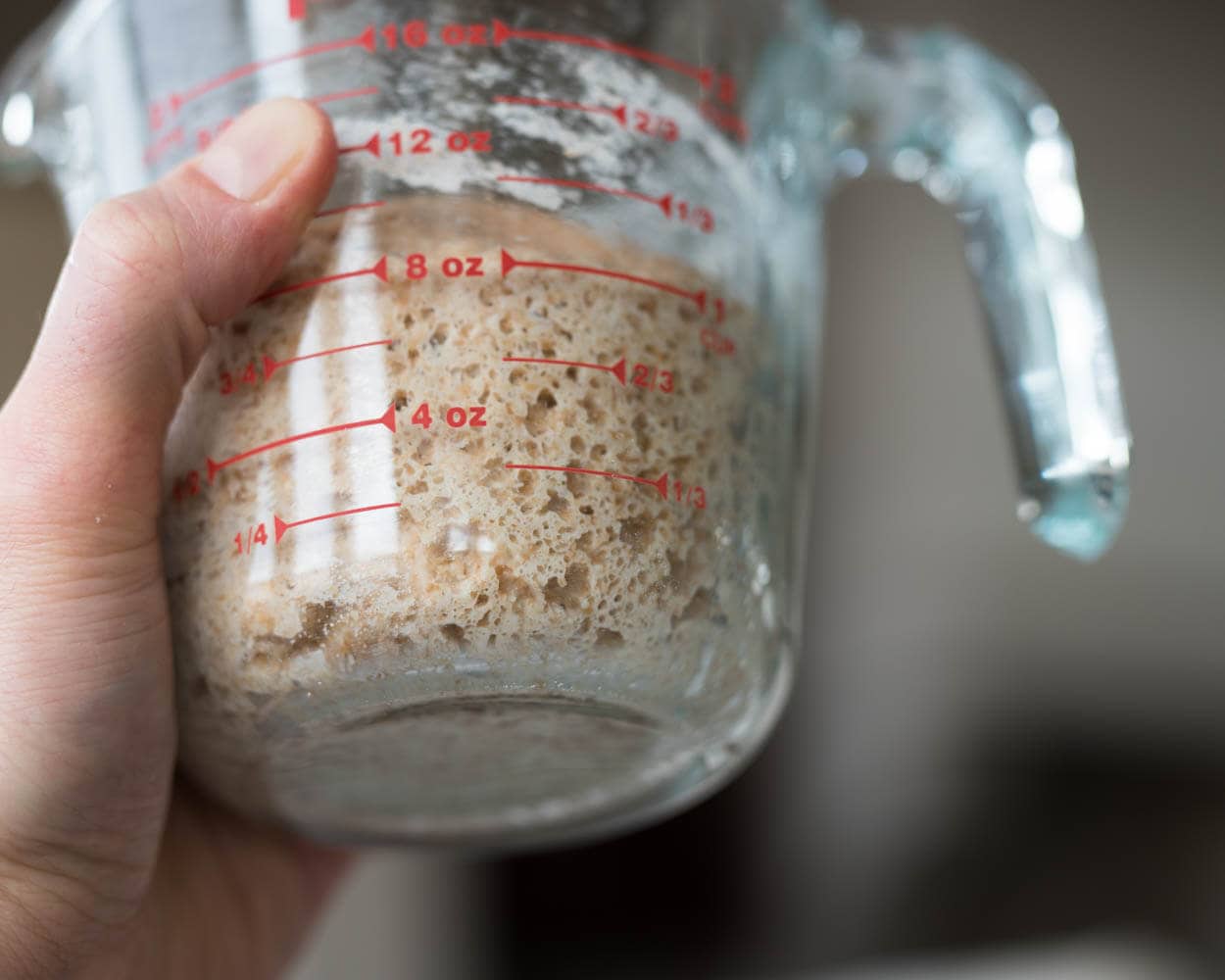
To mix by hand, add the salt and break the stiff levain apart, and spread on top of the dough in autolyse. Use a splash of water 2 to moisten. With wet hands, mix thoroughly. Use wet hands or a dough whisk to help make mixing easier.
Next, knead the dough for a few minutes using either the slap and fold technique or folds in the bowl. For this dough, I kneaded for about 5 minutes until the dough smoothed and became elastic. Transfer the dough back into the bowl, cover, and let rest for 10 minutes.
If the dough feels very wet and soupy, don’t add any remaining water. If it seems cohesive, add the remaining water 2, mixing it in until absorbed. Once again, scrape the dough out to the counter and use wet hands to slap and fold the dough for 3-5 minutes, making it smoother and more cohesive.
Transfer the dough to a bulk fermentation container and cover.
5. Bulk Fermentation – 2:30 p.m. to 5:30 p.m. (3 hours)
At a warm room temperature, 74-76°F (23-24°C), bulk fermentation should take about 3 hours and need 4 sets of stretches and folds at 30-minute intervals.
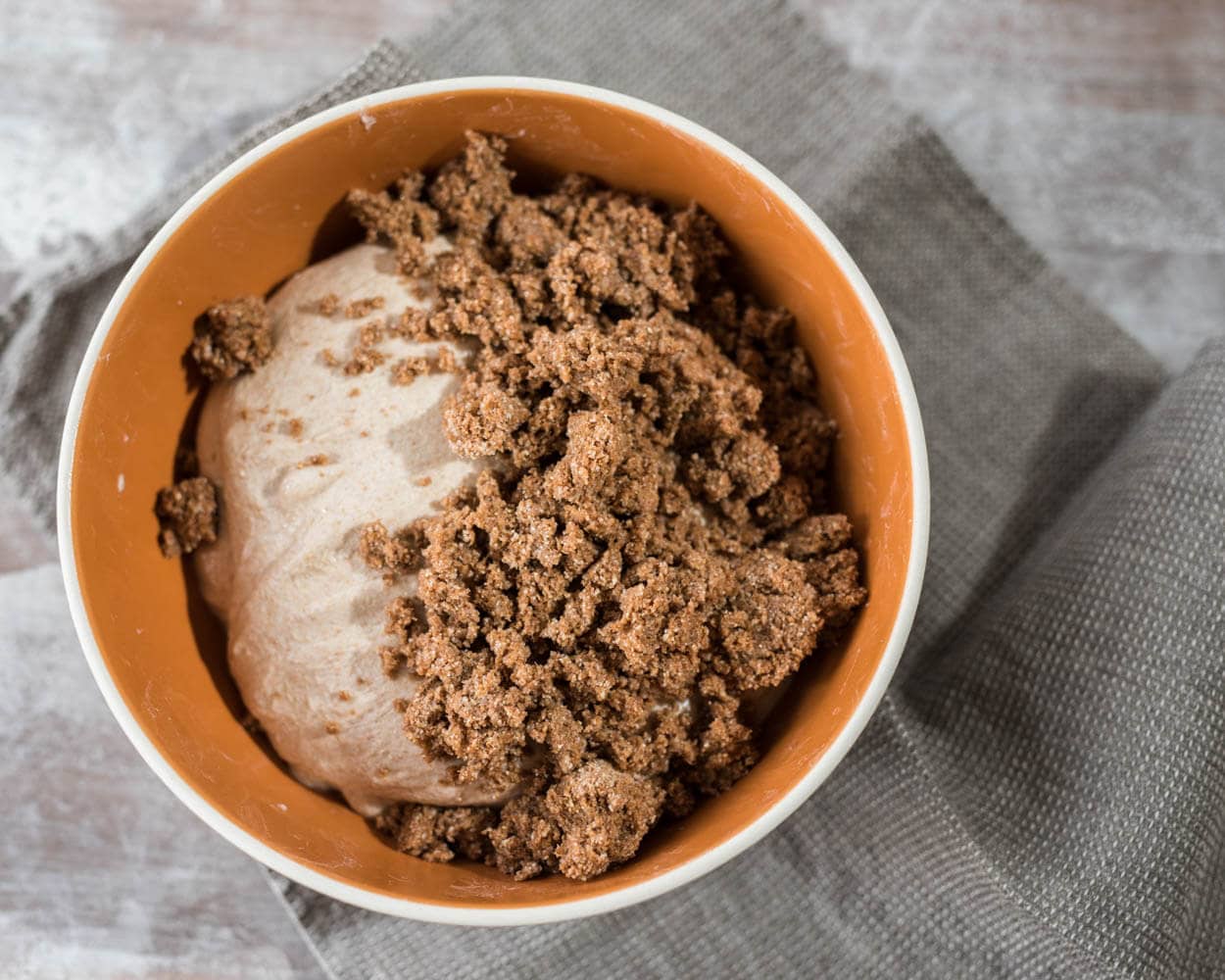
Before you give your dough its first set of stretches and folds, spread about 1/4 of the scald over the top of the dough (if you decided to do this optional step). Then, grab one side of the dough and stretch it up and over the dough to the other side. Spread on another 1/4 of the scald to the new top. Rotate the bowl 180° and perform another stretch and fold. Spread on another 1/4 of the scald, then rotate the bowl 90° and do another stretch and fold. Finally, spread on the last of the scald, turn the bowl 180° and do one last stretch and fold.
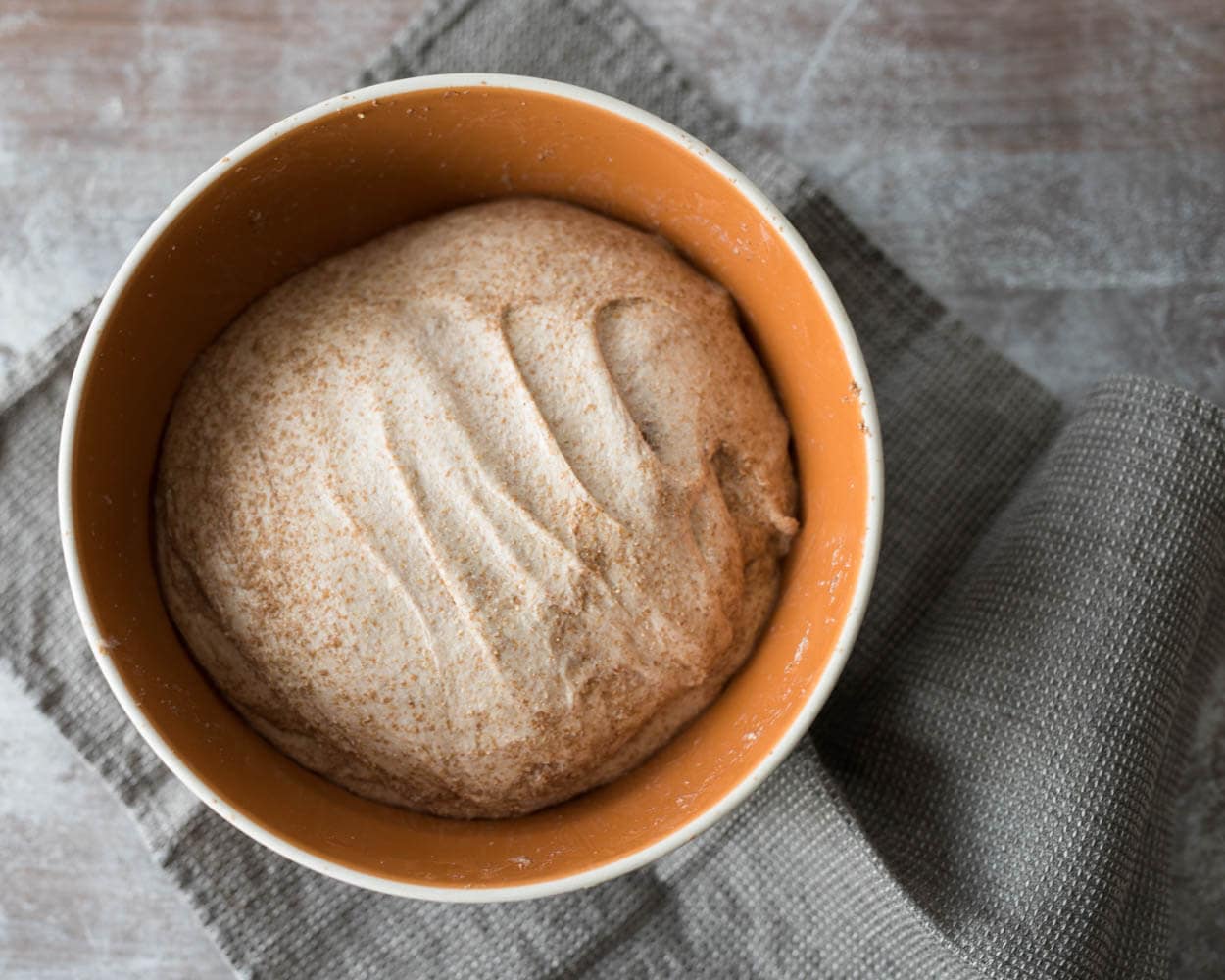
It’s okay if the scald streaks through the dough at this point, there will be more stretching and folding to help it incorporate more thoroughly.
Perform 3 more sets of stretches and folds at 30-minute intervals. After the fourth set, let the dough rest, covered, for the remainder of bulk fermentation.
6. Divide and Preshape – 5:30 p.m.
After 3 hours, the dough should be risen and puffy in the bulk fermentation container. Because of the high percentage of freshly milled flour and whole grains, the dough may not rise as high as a recipe with more white flour. It will be ready to divide when the top of the dough is smooth, bubbly, and the edge where the dough meets the container is slightly domed downward.
Fill a small bowl with water and place it next to your work surface. Scrape the dough onto a clean work surface and divide it into two equal pieces. With one wet hand and a bench knife in the other, preshape the pieces of dough into loose rounds.
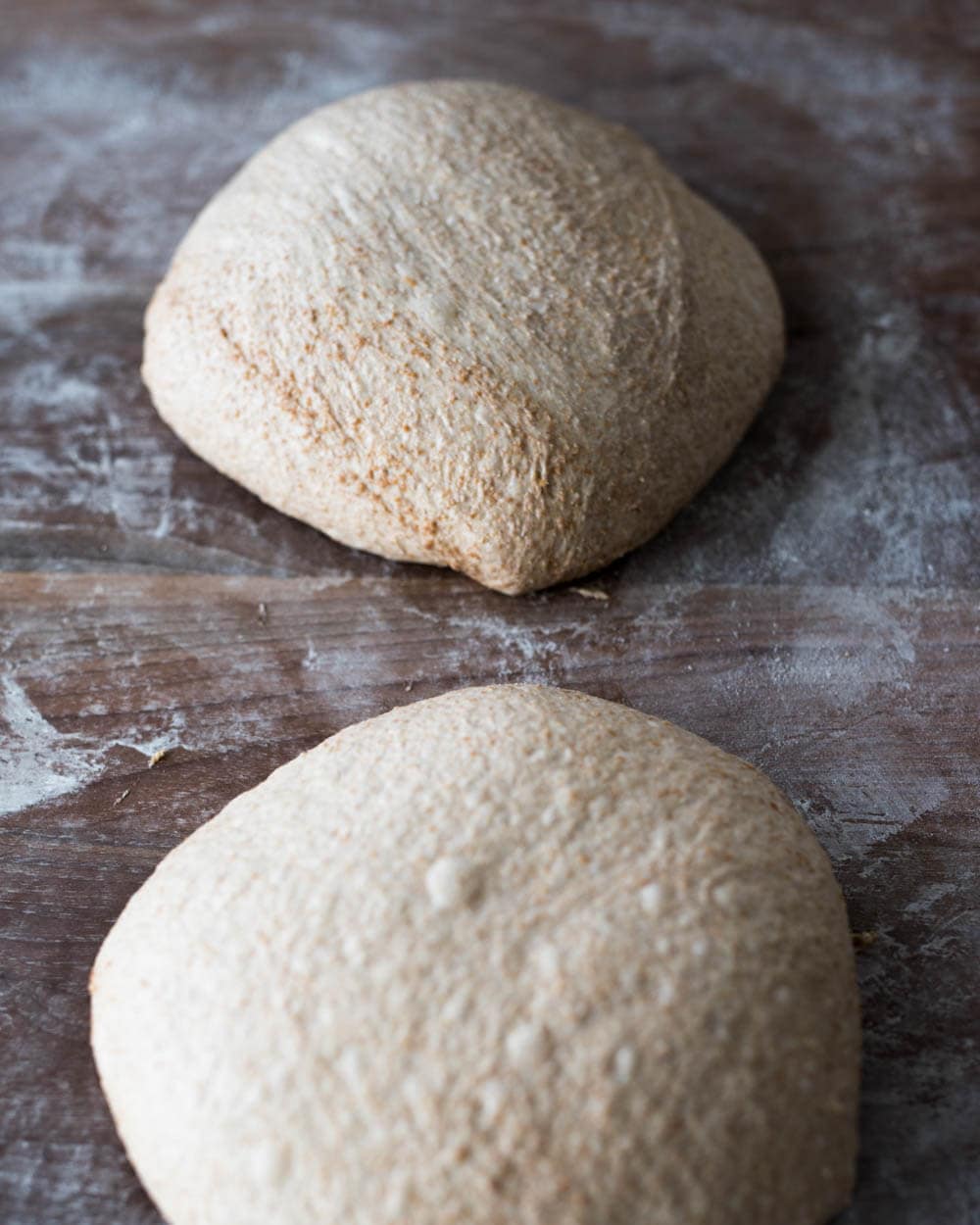
Let the dough rest, uncovered, for 30 minutes.
7. Shape – 6:00 p.m.
Place a baking sheet or clean kitchen towel next to your work surface and, if using, spread an even layer of raw wheat bran or germ on top, if using.
Flour the top of the preshaped round and your work surface. Using your bench knife, flip one of the rounds over onto the floured area. Using floured hands, shape the dough into a bâtard or a boule. Transfer the shaped dough, seam-side up, to the baking sheet with germ, if using, and rock it back and forth so the germ sticks. See my guide to topping bread dough for more help on topping bread dough.
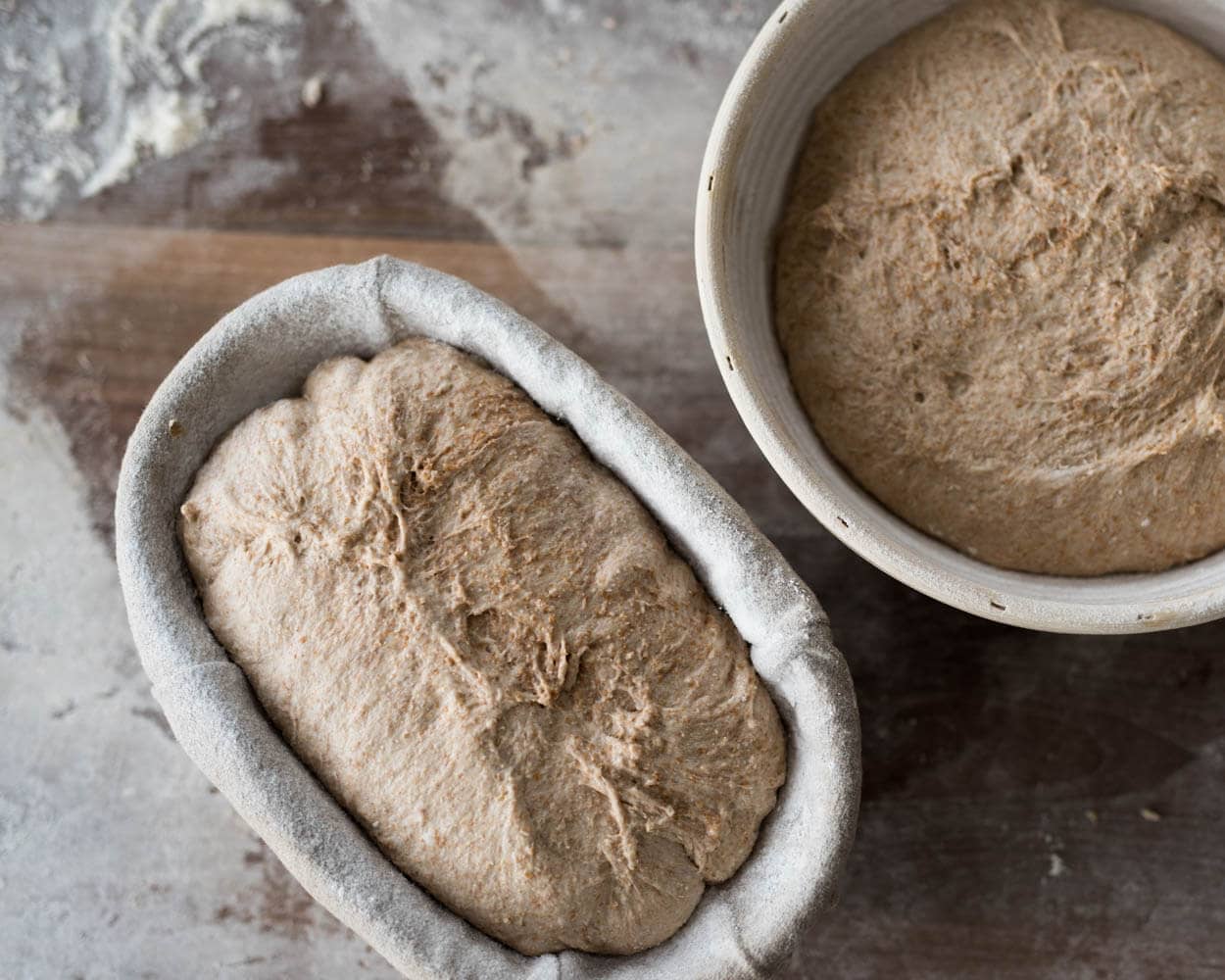
Gently transfer the dough to an 11-inch long proofing basket, seam-side up. Repeat with the remaining round.
8. Proof – 6:30 p.m. to 9:00 a.m.
Cover the baskets with a large, reusable plastic bag and seal shut. Place the baskets in the refrigerator to proof overnight.
9. Bake – 9:00 a.m.
Due to the oval shape of these loaves, you can bake them in a Challenger baking pan as I’ve done here or directly on a baking surface, steaming your oven.
Place an oven rack with an oval Dutch oven in the bottom-third of the oven. Preheat the oven to 450°F (230°C) for 30 minutes.
Take one of the proofing baskets out of the fridge, uncover it, and put a piece of parchment paper over the basket. Place a pizza peel or inverted baking sheet on top of the parchment, and using both hands, flip everything over. Gently remove the basket and score the dough.
Remove the bottom of the preheated Dutch oven and slide the dough into the pan. Return the pan to the oven and cover with the lid. Bake for 20 minutes. Vent the pan of steam by uncovering the pan (remove the lid from the oven or place it on the rack next to the bottom of the Dutch oven). Continue to bake for 35 minutes more. When done, the loaf should have an internal temperature of around 204°F (95°C), and the crust should be deeply colored.
Carefully remove the loaf from the Dutch oven to cool on a wire rack. Return the Dutch oven lid and bottom to the oven to preheat for 15 minutes. Repeat with the remaining dough in the refrigerator.
Let the loaves cool on a wire rack for at least 2 hours, preferably 3, before slicing.
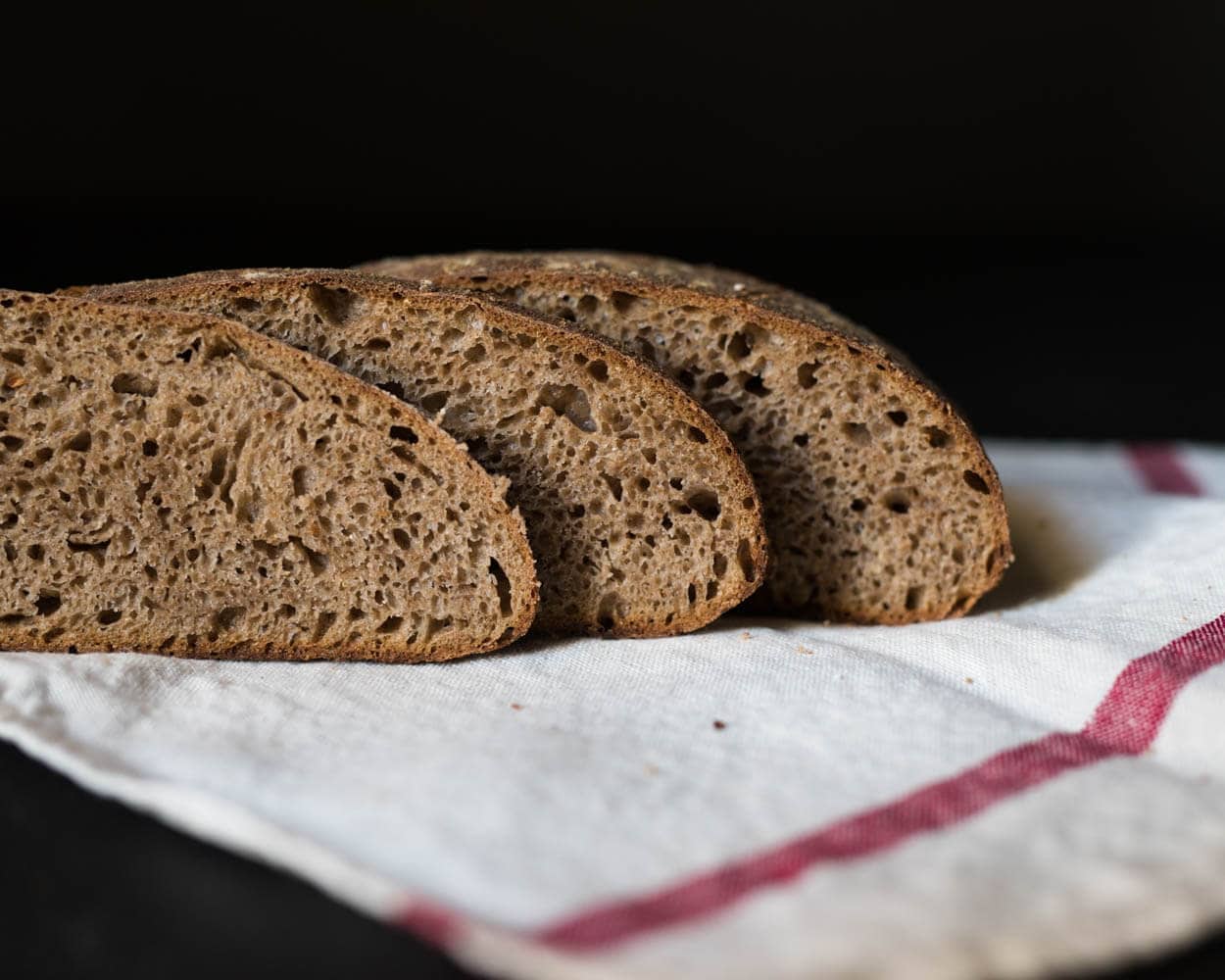

100% Whole Wheat Sourdough Bread
- Prep Time: 24 hours
- Cook Time: 1 hour 15 minutes
- Total Time: 25 hours 15 minutes
- Yield: 2 loaves
- Category: Bread
- Cuisine: American
Description
Sourdough bread made with 100% whole-grain wheat flour. With a robust and Earthy flavor, this is nourishing and wholesome bread.
Ingredients
Levain
- 64g whole wheat flour
- 32g water
- 32g ripe sourdough starter
Autolyse
- 857g whole wheat flour (minus any sifted)
- 705g water (or 505g if sifting and scalding)
Main Dough
- 92g water
- 18g fine sea salt
- 128g ripe levain
Instructions
- Levain (9:00 a.m.)
In a small container, mix and knead the levain ingredients and keep at 74-76°F (23-24°C) for 5 hours. - Optional Sift and Scald (9:10 a.m.)
Place your sifting screen over a large container. Pour some whole wheat flour and sift it by shaking the stack. When no more flour falls through, continue until you’ve processed all the flour. Place the sifted-out bran and germ in a heatproof bowl and pour 200 grams of boiling water on top to cover. Let this soaking mixture rest near your levain until we are ready to mix the dough. - Autolyse (1:00 p.m)
In a medium mixing bowl, mix the Autolyse ingredients, cover and let rest for 1 hour. - Mix (2:00 p.m.)
To the mixing bowl holding your dough, add the Main Dough ingredients: salt, ripe levain (from step 1), and water. Mix by hand or with a dough whisk and strengthen the dough for 5 minutes until it becomes smoother and slightly elastic. Transfer to a bulk fermentation container and cover. - Bulk Fermentation (2:30 p.m. to 5:30 p.m.)
Give the dough 4 sets of stretch and folds at 30-minute intervals, where the first set starts 30 minutes after the start of bulk fermentation. - Divide and Preshape (5:30 p.m.)
Lightly flour your work surface and scrape out your dough. Using your bench knife, divide the dough in half. Lightly shape each half into a round shape. Let the dough rest for 30 minutes, uncovered. - Shape (6:00 p.m.)
Shape the dough into a round (boule) or oval (batard)—place in proofing baskets. - Proof (6:30 p.m. to 9:00 a.m. the next day)
Cover proofing baskets with reusable plastic and seal shut. Then, place both baskets into the refrigerator and proof overnight. - Bake (Preheat oven at 8:00 a.m., bake at 9:00 a.m.)
Preheat your oven with a combo cooker or Dutch oven inside to 450°F (230°C). When the oven is preheated, remove your dough from the fridge, score it, and transfer to the preheated combo cooker. Place the cooker in the oven, cover with the lid, and bake for 20 minutes. After this time, remove the lid (you can keep it in the oven or remove it) and continue to bake for 30 minutes longer. When done, the internal temperature should be around 208°F (97°C). Let the loaves cool for 2 hours on a wire rack before slicing.
100% Whole Wheat Sourdough Bread FAQs
Why is my whole wheat bread gummy inside?
This can be from underproofing, overproofing, or underbaking. Be sure you use your sourdough starter when it’s ripe to make the levain, and ensure the levain is ripe when mixing it into your dough. To spot overproofing, look for a lack of rise in the oven and a dense interior with lots of little holes. Be sure to fully bake your dough until the interior temperature reaches around 204°F (95°C) and let it fully cool before slicing.
What gauge is your sifting screen?
My sifting screen is #20, but any gauge will work as long as it’s not too fine so that nothing falls through, or too large where everything falls through. You’re looking for around 10 to 20% extraction (meaning, for every 1000g you sift, 100 to 200g will be left over).
Can I make the sifted and scalded mixture ahead of time?
Yes. I would sift the flour, scald with boiling water, let it cool, then cover and keep it in the fridge for up to 3 days. The morning you want to add it to bread dough, let it come to room temperature so it doesn’t adversely cool the dough.
Can I add the scald back into the dough during mixing instead of bulk fermentation?
Yes. It’s easier to add the scalded bran and germ back in at the very end of mixing and if you prefer this, by all means, go for it.
What’s Next?
This 100% whole wheat sourdough bread is the purest example of healthy sourdough bread. If you’re looking for a loaf that’s just as flavorful but lighter in texture, my Fifty-Fifty Sourdough Bread is the ticket.
Buon appetito!


264 Comments
Maurizio,
Just wanted to say thank you for the great information you continually share. I’ve been working with fresh milled for a few months now, and you suggestion to soak some of the bran and germ is something I have not yet heard. I can’t wait to try it this weekend. You also explained “high protein” as it pertains to fresh milled, which was new to me.
Always learning!
Hi Maurizio,
I hope you are doing well.
Thank you for your wonderful videos and instructions on baking these sourdough bread.
This is my first time baking sourdough bread and I was overly ambitious and started with the 100% whole wheat bread. It turned out good but the bottom crust is very hard and not edible. Can you please advise where did I go wrong? Thank you.
Shirley, a hard, inedible bottom crust almost always comes from too much heat under the loaf, not anything you did with the dough. Whole wheat is especially prone to it since it browns fast. A few fixes: preheat your Dutch oven for less time (half the oven preheat is plenty), drop the oven temperature 25°F, or slide a sheet pan onto the rack below to shield the bottom. If you have a thermometer, pull the loaf when the interior hits 205-208°F rather than going by the clock. And for a first bake, starting with 100% whole wheat and getting a good loaf is no small thing, nicely done!
Let me know if those help!
Should the amount of water used to scald the bran change at all depending on how much bran you sift out?
Nate, yes, scale the scald water with the bran. Keep the same ratio of water to bran that’s in the recipe, so if you sift out more bran, use proportionally more water for the scald, and if less, use less. The total water in the formula stays the same, so whatever goes into the scald just comes out of the mixing water. The bran needs enough hot water to soften properly, but drowning it in extra water throws off the hydration of the final dough.
Happy baking!
This is timely. I baked yeast bread with fresh ground flour for decades. But the past decade plus, I've been making only sourdough breads. And I was told the bran in grains cuts the desired bubbles, so I've been making bread with bought bread flour and adding about 1-2/10ths of the flour as fresh ground. And I've been thinking of the thousands of years where all had to be made with levain and fresh ground flour. So I made a loaf recently and loved it! I'm currently making a loaf having sifted half the ground flour and am excited to taste this one, and see how it rises and the crumb. I'm making it with hard white wheat. The bitterness of red wheat I remember from long ago, so kinda afraid to go there. But my next one I'll do half white and half red wheat and work my way there. But my red wheat kernals are from maybe 40 years ago so I have no idea what that 50# bag was, except I think from Montana. I hope you make more recipes with fresh ground flour. There's several facebook groups, so I think there's a growing desire.
More freshly milled flour recipes coming, Karey! Wheat berries can stay viable for quite a long while if kept relatively cool and dry. Though I can't say I've used any that are 40yrs old 🙂
I've been making a super soft 100% fresh milled whole wheat sandwich loaf for about a year now, slowly perfecting it. People who think that you can't make great bread that rises high or has the great texture you want, whether sourdough or enriched sandwich loaf, with 100% whole wheat, are people who are trying to treat those recipes as if they are the same as 100% white flour. Grinding the flour as fine as you can, using the autolyse technique, and in my opinion, mixing to full window pane before letting it bulk ferment, are the key to getting great loaves of bread from 100% whole wheat flour. Now if I could just get my shaping techniques perfected!