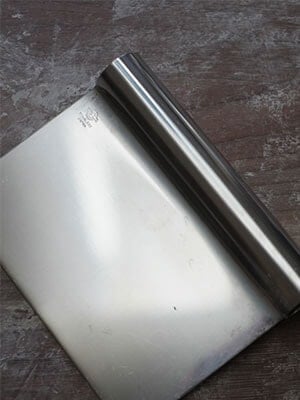
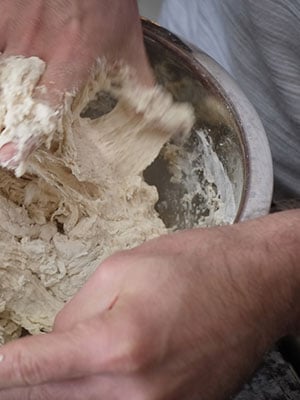
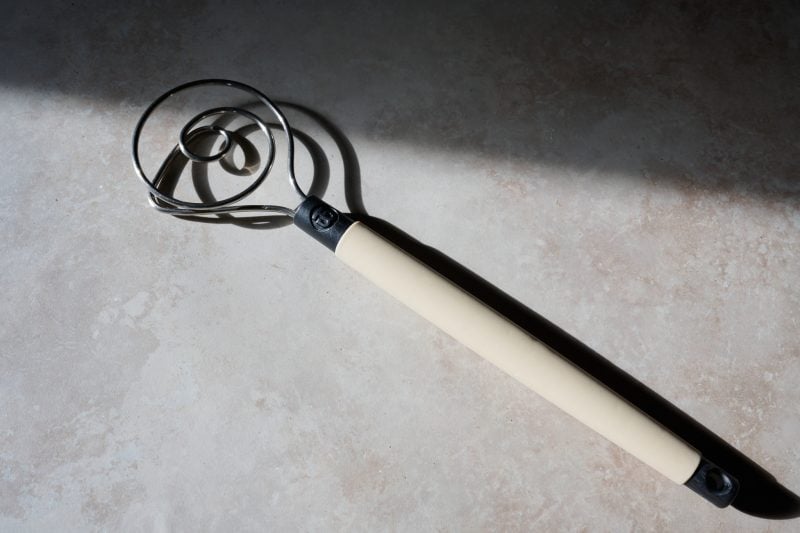
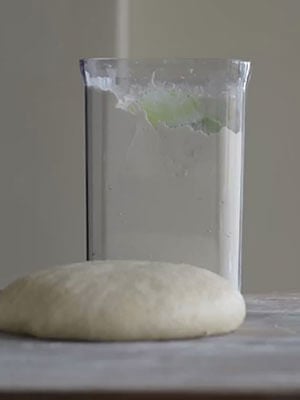
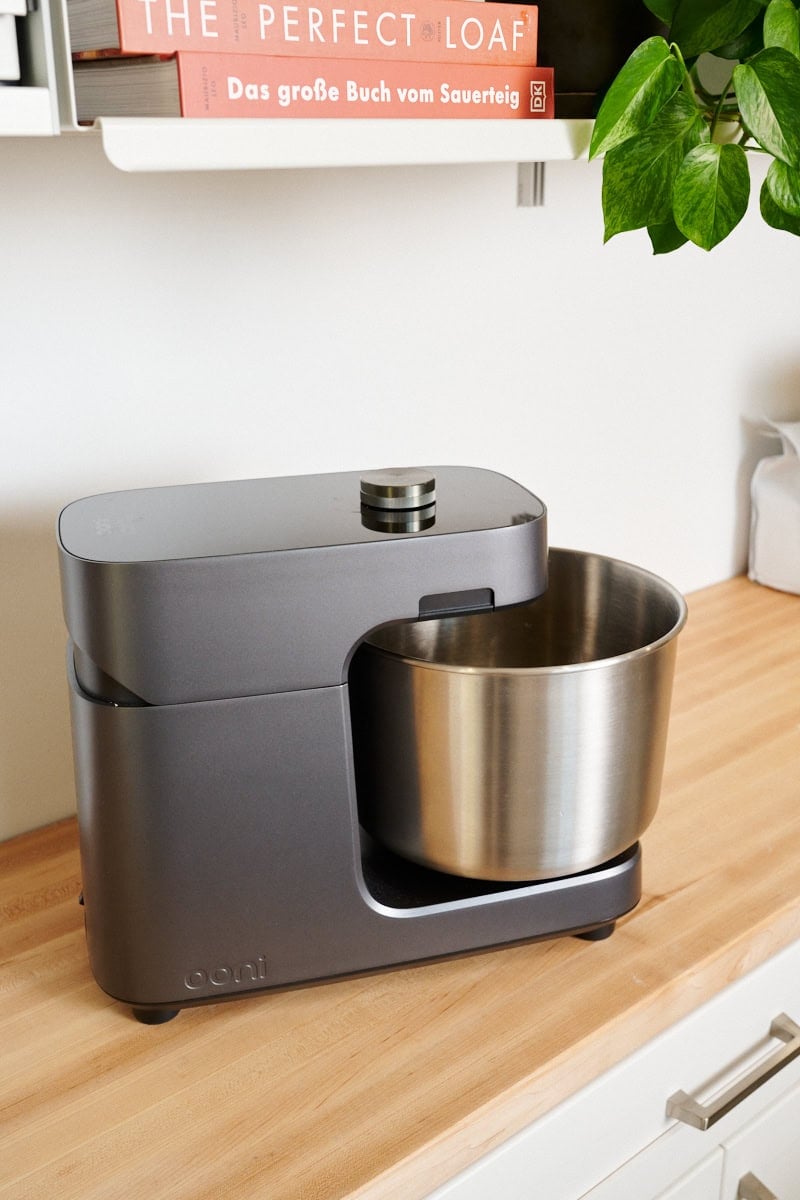
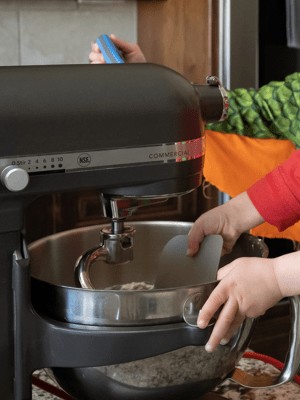
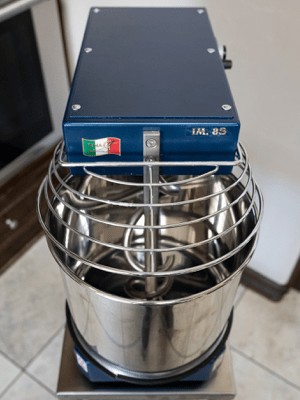
Keep your hands clean during mixing with this super strong whisk.
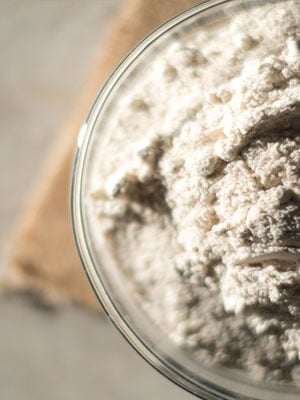
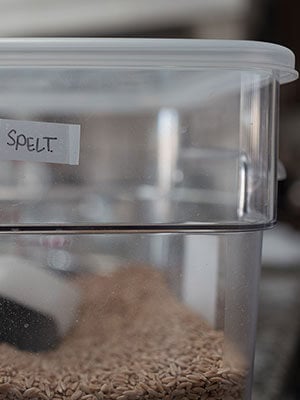
Flour and Grain
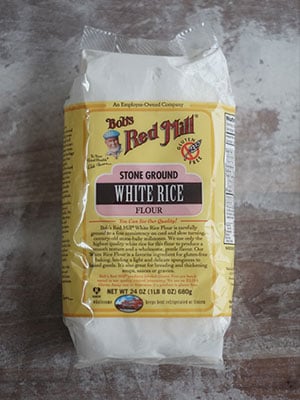
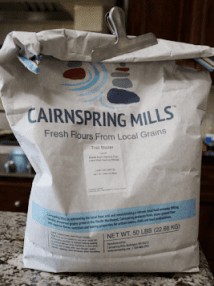
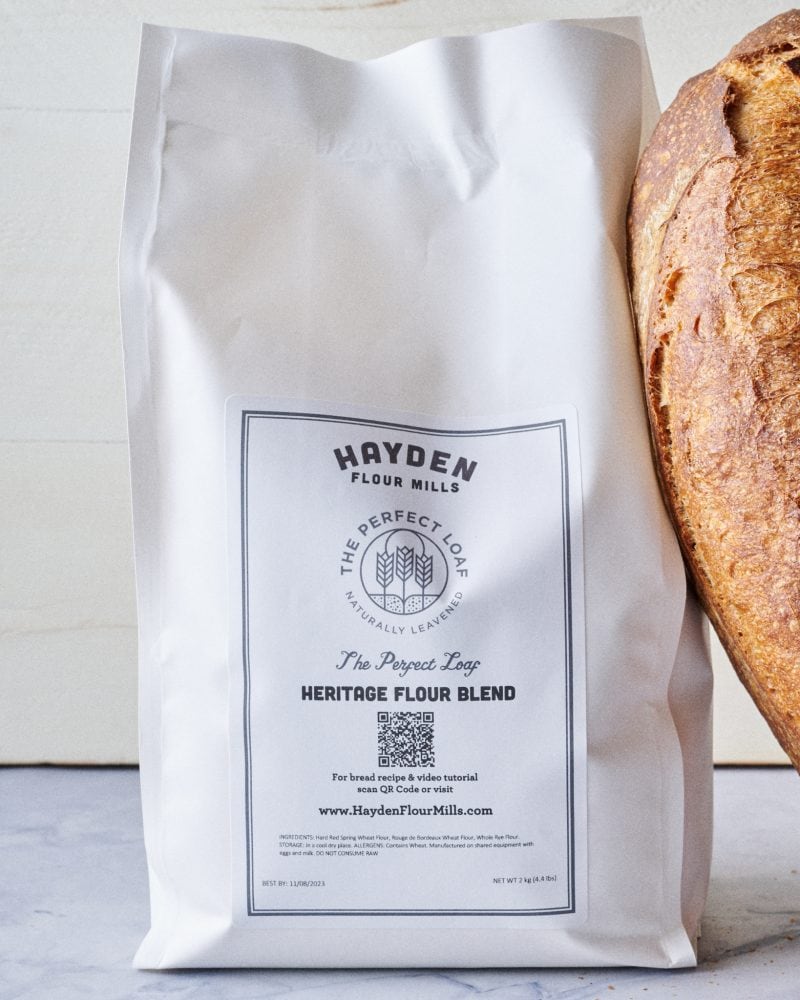
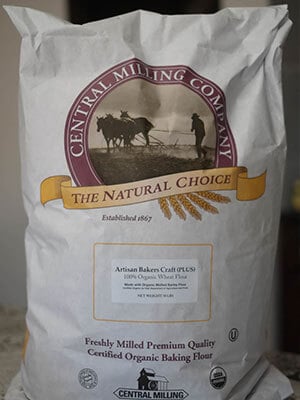
The list below are my most-used flours here at home, but look local first! There are many great farmers and millers scattered all over with incredible flour options.
I use these to store all my flour (5lb bags)—just the best.
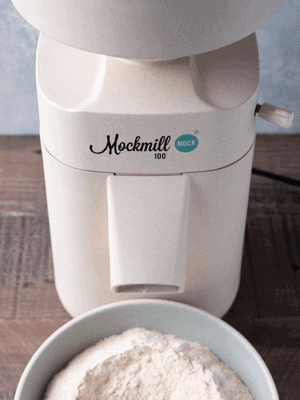
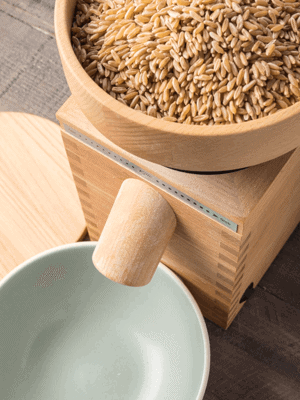
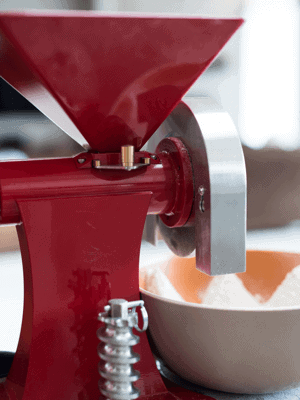
Grain Mills
Below is a list of my favorite grain mills used to mill fresh flour in my home kitchen regularly. They are all built extremely well and are capable of producing excellent flour.
Hi! I have really appreciated the resources you publish about baking! I have just been using your content to help guide my journey into sourdough, and now I am looking to buy a grain mill!
I saw that you posted about having a 5% off link to the Mockmill 100, but I have not been able to find the link. Is this still an active promotion?
I bought your book a few months ago and noticed your recommendation for the Challenger Bread Pan. I live in the Netherlands, which makes it quite difficult to get this particular product without paying a lot in shipping costs.
I was wondering if you might know of any good alternatives, or perhaps where I could buy the Challenger Bread Pan somewhere in Western or Southern Europe.
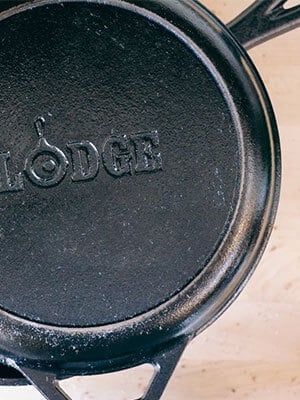
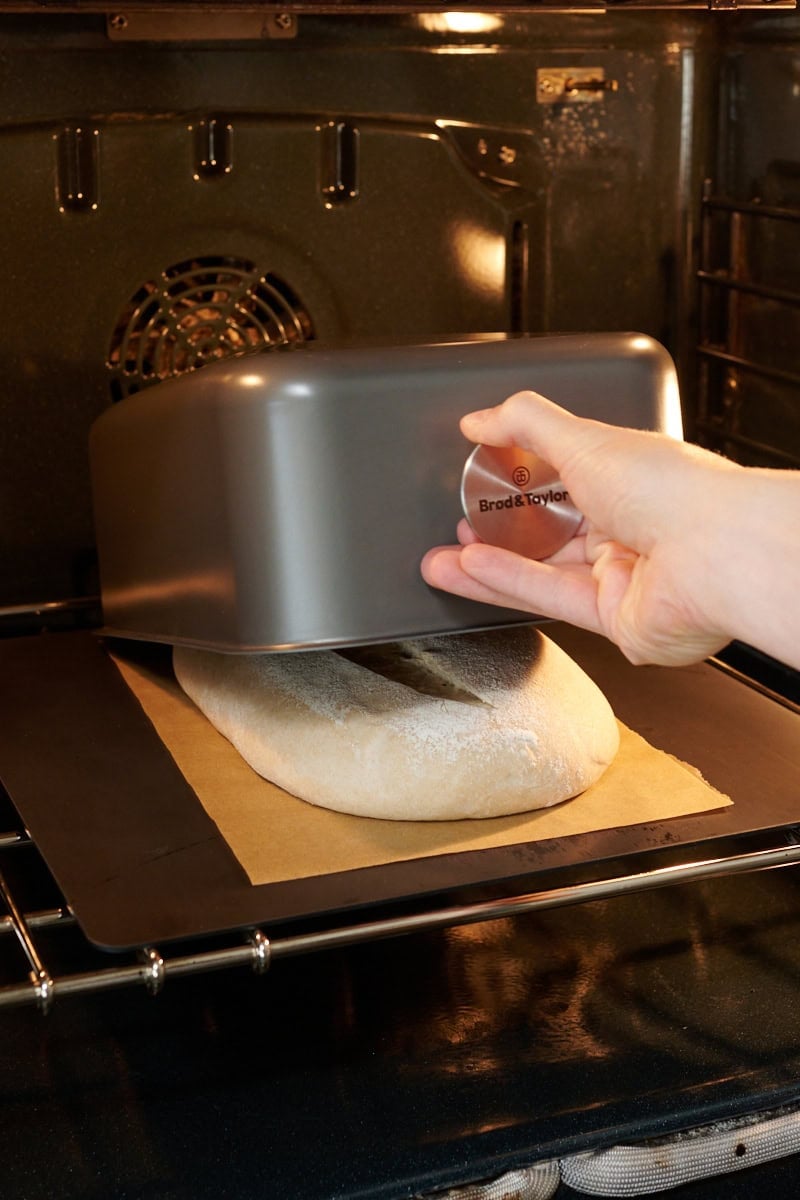
Hi Mats, I’m not sure of a European stockist for the Challenger, it’s worth emailing them directly to ask about EU shipping or resellers. But you really don’t need that specific pan. Any heavy, lidded pot works: a Le Creuset or Staub Dutch oven (both European, so easy for you to find), the Emile Henry bread cloche made in France, or a Lodge combo cooker if you can find one. The Brød & Taylor Baking Shell on a baking steel is another good option and lighter to handle. All of them trap steam the same way and give you the same result. Thanks so much for getting the book!
Hello!
I am new to sourdough, and it’s fun, but also a bit frustrating at times! I just purchased and read your book. I am looking forward to trying your tips and tricks and the recipes in the book. My question is this. I like to make batards but only have a round Dutch oven, which I find is not ideal. Do you recommend an oval-shaped Dutch oven for batards? I see the Lodge combo cooker on your recommendations list, but that is round too. Your thoughts and recommendations would be much appreciated!
Kelly
Welcome to sourdough, and thanks for getting the book! Yes, for batards an oval Dutch oven makes a real difference; a round pot forces the batard to conform to its shape as it springs. The Challenger Bread Pan is my top pick (designed exactly for this), and the Lodge 7-quart oval Dutch oven is a more affordable option that works well. If you want maximum flexibility, a baking steel with the Brod and Taylor Baking Shell or a large roasting pan cover also handles batards nicely. Any of these will serve those batards well!
Hi Maurizio. I was wondering if you’ve done a comparison of the Challenger bread oven and Bulka bread oven? I just learned about Bulka today and have to admit I’m drawn to something lighter, as long as it provides the same results. I’m currently using my Le Creuset dutch oven. It’s fine, but the interior is discoloring, which distresses me a bit. Thinking it’s time for a dedicated bread oven. Thanks for your help.
I haven’t tried the Bulka yet, so I can’t give you a direct comparison. The Challenger has been my workhorse and it performs beautifully, but the weight is real; it’s a heavy piece of equipment. If the Bulka delivers similar heat retention and steam trapping at a lighter weight, that’s certainly appealing. If you do try it, I’d love to hear how it performs! And don’t worry too much about the Le Creuset discoloration in the meantime; it’s cosmetic and won’t affect your bread.
Thank you so much for responding! I ended up buying the Challenger oven. I absolutely love it….except for the weight. It’s heavier than my LC Dutch oven, but my loaves are browner and I no longer need a cookie sheet on the rack below to prevent a too browned bottom. I also don’t need to do the inverted lid trick with Challenger. It’s an awesome bread oven. Challenger’s base is very manageable, so I’m looking forward to trying their roast chicken and stuffing recipe. Thank you for sharing your knowledge and recipes.
I was curious, does the ROUND baking shell that you recommend on Amazon (Brod & Taylor) also work for most of the Batard recipes in your book? Instead of purchasing both shapes, I thought maybe the round would also cover batards efficiently but wasn’t sure. Wanted to check with you before I make a decision. I’m currently using a conventional dutch over for Boules.
Hi, What size do you recommend getting in this pizza steel for pizzas and free form loaves? I was undecided taking into consideration the heaviness of the thicker ones. Do the thicker ones (1/2 inch etc.) offer any additional benefits compared to the 1/4 inch? I'm about to try my first free form loaves. I would also use the steel as a heat diffuser for my boule and discard recipes. I currently use a sheet pan for diffusing heat. BTW I noticed in two different places on your website you recommend different pizza steels. The other one is the Artisan on Amazon for $89.99. However, this one has a max. temp. of 375 degrees which didn't make sense to me for bread or pizza. Just trying to make the best decision for free form loaves, pizza and a heat diffuser all in one. Also, Does the baking shell eliminate the need for the lava rocks and/or wet towels on free form loaves?
Hi Maurizio. Do you have any recommendations for oven gloves that dependably give good heat protection for 450 to 500 Deg F? I've tried multiple brands and none of them seem to provide the protection that they advertise.
Hi, Mauricio
I'm think of buying a baking steel because my two cast iron pots feel heavier every year. Yes I bake two at a time.
I’ve read hundreds of reviews including your links about baking steel. From what I’ve read, thicker ones retain heat better, but they can burn the bottom of the loaf. Then the thinner might be the better?
I still don’t know which thickness is right for baking sourdough bread (not pizza).
I would really appreciate any advice on this.
Mauricio, I am a sourdough bread consumer. Haven’t baked it yet. Here is a question about storing already baked bread. What do I put a loaf in to keep it as long as possible? I looked at your recommendations but didn’t see anything.
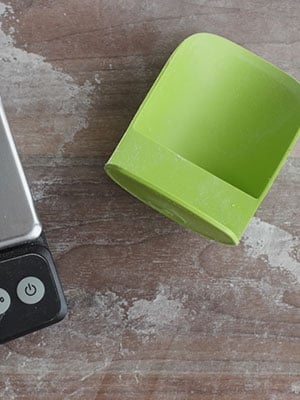
Hi Maurizio, unfortunately the amazon link for the green flour scoops does not work anymore. Do these still exist or are they discontinued? – Thanks, Harrison
Maurizio, I have been using Brod & Taylor products for years. Their proofer is great. I love my starter proofer as I can store my starter in a cool or warm environment. Even the oblong baking shell is great. I have a pair and can bake two loaves at once. However, I just got the round baking shells. Not so good. They are too large. I cannot use both at the same time in a standard 30" home oven. I do not want to go back to baking one loaf at a time. Not sure what caused Brod & Taylor to make them so much bigger than the oblong shells.
Maurizio, I was lucky to find the Brod and Taylor baking shells for a great price at a Williams Sonoma outlet. Now I need to by a baking steel. The one you recommend in your tool recommendations is slightly bigger and thicker than the Brod and Taylor Max Steel. What is your recommendation for use with the shells, the one on your list or the Brod and Taylor Max steel? My friend did a side by side comparison of the steel/shell vs. Challenger and the steel/shell won! Better result and way more manageable to use. Thank you!
Hi there! I've been looking for a straight-sided loaf pan (like a Pullman pan) that is NOT coated in any nonstick stuff. I feel like I remember seeing some pans like this somewhere on your website, but I'm not finding them now. Do you have any recommendations for uncoated loaf pans?
By the way, I've made probably hundreds of loaves from your recipes at this point. Your recipes are just so reliable. Thank you!
Hi Maurizio. I was wondering if you’ve done a comparison of the Challenger bread oven and Bulka bread oven? I just learned about Bulka today and have to admit I’m drawn to something lighter, as long as it provides the same results. I’m currently using my Le Creuset dutch oven. It’s fine, but the interior is discoloring, which distresses me a bit. Thinking it’s time for a dedicated bread oven. Thanks for your help.
Challenger sells oven gloves too. I bought them when I bought my pan and they work perfectly. They fit my hands and I never feel any heat through them when dealing with the baking pan.
Maurizio~ Several months ago you wrote about Brod & Taylor's rectangular baking shell but I don't see it on your curated tool list. Is there a problem with it or has the list not been updated to include it? I'm very eager to try a cloche!
I have just had a huge fuss with lava rocks. The first pack I bought was filled with dust and grit, many broken into gravel, returned. Found another brand. Despite rinsing them amply, prior to use, they left a huge mess to clean up in the pan. Grit everywhere in the sink. After baking with them, rinsed and rinsed again, still filthy. Waaaaaaaaay too much fuss!! Not a very good recommendation to be honest. I will try the ceramic ones. The ceramic ones you recommend are whole, whereas many other companies make split briquettes, for the same price. Much more surface area. Why recommend the whole ones?
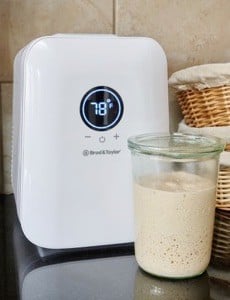
My wife is wanting g to start making sourdough. I’m looking at your recommendations as good Christmas gifts. I see that you recommend the sourdough home and the dough proofer. Do they not do the same thing? Is one recommended over another or do you recommend both? Thanks for this very helpful website.
Both are great, honestly. The proofer is a little bigger so it can hold dough as well, but the Home is nice because it's a dedicated place for your starter!
Don't buy both!! She can use the microwave with open door and light. Heat up some water and leave it in there with a thermometer – mine stays close to 80 (and starter/dough temp is similar). Many dough recipes proof for just a few hours and then retard (typically) in fridge. Don't spend $350 on gadgets. Great bread can be made without these overpriced/overhyped products.
Hello, I read The Perfect Loaf and is very informative and worth reading. I learned a lot. Two questions. 1 which brain Parchment paper do you use. I would like to get parchment paper that is good for 550°, can not find. 2. In your Sourdough Pizza Dough recipe , why no Autolyse? When Autolyse helps in the stretch. Thank you, Mike Kaplan
Hey Mike. All parchment is not created equal, that's for sure. Try the unbleached kind on Amazon, most of those work really well at high temp.
You can do an autolyse for the pizza recipe if you like, it's not required, though. If you find the dough is not extensible enough it can help, but generally, if you proof the dough sufficiently stretching shouldn't be an issue!
Hi Maurizio, thanks for all this great info.
Considering all the pro tools, is it too naive to ask for inbuilt oven recommendations? I'm mainly doing this as a hobby from home, so don't have the additional space for extra oven. Regards from Reading, UK.
I would also highly recommend the Brod & Taylor Folding Proofer and Slow Cooker.
This tool was a game changer for me as I could finally maintain an optimum proofing temperature for my levain AND for the bulk and secondary fermentations. It stores flat when not in use so doesn't take up a lot of valuable space in my pantry. Admittedly, it was an investment, but as I said, a game changer.





748 Comments
Hi! I have really appreciated the resources you publish about baking! I have just been using your content to help guide my journey into sourdough, and now I am looking to buy a grain mill!
I saw that you posted about having a 5% off link to the Mockmill 100, but I have not been able to find the link. Is this still an active promotion?
Thank you!
Hello Maurizio,
I bought your book a few months ago and noticed your recommendation for the Challenger Bread Pan. I live in the Netherlands, which makes it quite difficult to get this particular product without paying a lot in shipping costs.
I was wondering if you might know of any good alternatives, or perhaps where I could buy the Challenger Bread Pan somewhere in Western or Southern Europe.
Thank you very much for your time and help!
Hi Mats, I’m not sure of a European stockist for the Challenger, it’s worth emailing them directly to ask about EU shipping or resellers. But you really don’t need that specific pan. Any heavy, lidded pot works: a Le Creuset or Staub Dutch oven (both European, so easy for you to find), the Emile Henry bread cloche made in France, or a Lodge combo cooker if you can find one. The Brød & Taylor Baking Shell on a baking steel is another good option and lighter to handle. All of them trap steam the same way and give you the same result. Thanks so much for getting the book!
Happy baking!
Hello!
I am new to sourdough, and it’s fun, but also a bit frustrating at times! I just purchased and read your book. I am looking forward to trying your tips and tricks and the recipes in the book. My question is this. I like to make batards but only have a round Dutch oven, which I find is not ideal. Do you recommend an oval-shaped Dutch oven for batards? I see the Lodge combo cooker on your recommendations list, but that is round too. Your thoughts and recommendations would be much appreciated!
Kelly
Welcome to sourdough, and thanks for getting the book! Yes, for batards an oval Dutch oven makes a real difference; a round pot forces the batard to conform to its shape as it springs. The Challenger Bread Pan is my top pick (designed exactly for this), and the Lodge 7-quart oval Dutch oven is a more affordable option that works well. If you want maximum flexibility, a baking steel with the Brod and Taylor Baking Shell or a large roasting pan cover also handles batards nicely. Any of these will serve those batards well!
What’s your favorite scale?
I have the full scale roundup here, Julie:
https://www.theperfectloaf.com/the-best-kitchen-scale-for-making-bread/
Hi Maurizio. I was wondering if you’ve done a comparison of the Challenger bread oven and Bulka bread oven? I just learned about Bulka today and have to admit I’m drawn to something lighter, as long as it provides the same results. I’m currently using my Le Creuset dutch oven. It’s fine, but the interior is discoloring, which distresses me a bit. Thinking it’s time for a dedicated bread oven. Thanks for your help.
I haven’t tried the Bulka yet, so I can’t give you a direct comparison. The Challenger has been my workhorse and it performs beautifully, but the weight is real; it’s a heavy piece of equipment. If the Bulka delivers similar heat retention and steam trapping at a lighter weight, that’s certainly appealing. If you do try it, I’d love to hear how it performs! And don’t worry too much about the Le Creuset discoloration in the meantime; it’s cosmetic and won’t affect your bread.
Thank you so much for responding! I ended up buying the Challenger oven. I absolutely love it….except for the weight. It’s heavier than my LC Dutch oven, but my loaves are browner and I no longer need a cookie sheet on the rack below to prevent a too browned bottom. I also don’t need to do the inverted lid trick with Challenger. It’s an awesome bread oven. Challenger’s base is very manageable, so I’m looking forward to trying their roast chicken and stuffing recipe. Thank you for sharing your knowledge and recipes.
Hi,
I was curious, does the ROUND baking shell that you recommend on Amazon (Brod & Taylor) also work for most of the Batard recipes in your book? Instead of purchasing both shapes, I thought maybe the round would also cover batards efficiently but wasn’t sure. Wanted to check with you before I make a decision. I’m currently using a conventional dutch over for Boules.
That’s a great question, Renee. It will fit oval loaves as long as they’re not too long. Most of the recipes in my book, yes, it should work!
Hi, What size do you recommend getting in this pizza steel for pizzas and free form loaves? I was undecided taking into consideration the heaviness of the thicker ones. Do the thicker ones (1/2 inch etc.) offer any additional benefits compared to the 1/4 inch? I'm about to try my first free form loaves. I would also use the steel as a heat diffuser for my boule and discard recipes. I currently use a sheet pan for diffusing heat. BTW I noticed in two different places on your website you recommend different pizza steels. The other one is the Artisan on Amazon for $89.99. However, this one has a max. temp. of 375 degrees which didn't make sense to me for bread or pizza. Just trying to make the best decision for free form loaves, pizza and a heat diffuser all in one. Also, Does the baking shell eliminate the need for the lava rocks and/or wet towels on free form loaves?
https://www.amazon.com/NerdChef-Steel-Stone-High-Performance-Standard/dp/B00JXVNUHW?pd_rd_w=60Sxa&content-id=amzn1.sym.d4cdfb0a-d4b4-4f0b-8c51-55838af3328a&pf_rd_p=d4cdfb0a-d4b4-4f0b-8c51-55838af3328a&pf_rd_r=854XAWVAQJB8TAFR02R8&pd_rd_wg=FZWrj&pd_rd_r=7fd53589-54a1-4b2c-855b-d050ae18b6a3&pd_rd_i=B00JXVNUHW&linkCode=sl1&tag=theperfectloaf-20&linkId=e7bf59711157cc9c3b67021d4a203ef3&language=en_US&ref_=as_li_ss_tl&th=1
The one I have linked above is the best one, IMO. It’s 1/4″ thick (1/2″ is nice, but not mandatory).
Hi Maurizio. Do you have any recommendations for oven gloves that dependably give good heat protection for 450 to 500 Deg F? I've tried multiple brands and none of them seem to provide the protection that they advertise.
I really like these high heat silicone gloves: https://amzn.to/4vWGeYR
Hi, Mauricio
I'm think of buying a baking steel because my two cast iron pots feel heavier every year. Yes I bake two at a time.
I’ve read hundreds of reviews including your links about baking steel. From what I’ve read, thicker ones retain heat better, but they can burn the bottom of the loaf. Then the thinner might be the better?
I still don’t know which thickness is right for baking sourdough bread (not pizza).
I would really appreciate any advice on this.
1/4″ thickness is just fine!
Mauricio, I am a sourdough bread consumer. Haven’t baked it yet. Here is a question about storing already baked bread. What do I put a loaf in to keep it as long as possible? I looked at your recommendations but didn’t see anything.
Thank you.
Hey Janice! here's my guide to storing bread to keep it fresh: https://www.theperfectloaf.com/the-best-way-to-store-bread/
Hi Maurizio, unfortunately the amazon link for the green flour scoops does not work anymore. Do these still exist or are they discontinued? – Thanks, Harrison
I've been searching for them for so long… I still havent been able to find them. I'll see if I can update this link ASAP!
I've found some replacements and added the link!
anyone use the 13 inch baskets instead of 14 inch for Maurizio's My Best Sourdough?
That'll work just fine, Josie!
Maurizio, I have been using Brod & Taylor products for years. Their proofer is great. I love my starter proofer as I can store my starter in a cool or warm environment. Even the oblong baking shell is great. I have a pair and can bake two loaves at once. However, I just got the round baking shells. Not so good. They are too large. I cannot use both at the same time in a standard 30" home oven. I do not want to go back to baking one loaf at a time. Not sure what caused Brod & Taylor to make them so much bigger than the oblong shells.
Maurizio, I was lucky to find the Brod and Taylor baking shells for a great price at a Williams Sonoma outlet. Now I need to by a baking steel. The one you recommend in your tool recommendations is slightly bigger and thicker than the Brod and Taylor Max Steel. What is your recommendation for use with the shells, the one on your list or the Brod and Taylor Max steel? My friend did a side by side comparison of the steel/shell vs. Challenger and the steel/shell won! Better result and way more manageable to use. Thank you!
Fantastic, Beth! Sorry for the delay. I like the thicker Baking Steel for pizza, but the thin B&T one works really well with the shell.
Hi there! I've been looking for a straight-sided loaf pan (like a Pullman pan) that is NOT coated in any nonstick stuff. I feel like I remember seeing some pans like this somewhere on your website, but I'm not finding them now. Do you have any recommendations for uncoated loaf pans?
By the way, I've made probably hundreds of loaves from your recipes at this point. Your recipes are just so reliable. Thank you!
What kind of wood is your baking bench made out of? Thank you!
Maple!
Hi there! Do you have another suggestion in place of the Challenger bread pan for oval loaves? The Challenger is somewhat pricey ($299). Thanks!
Hi Maurizio. I was wondering if you’ve done a comparison of the Challenger bread oven and Bulka bread oven? I just learned about Bulka today and have to admit I’m drawn to something lighter, as long as it provides the same results. I’m currently using my Le Creuset dutch oven. It’s fine, but the interior is discoloring, which distresses me a bit. Thinking it’s time for a dedicated bread oven. Thanks for your help.
Challenger sells oven gloves too. I bought them when I bought my pan and they work perfectly. They fit my hands and I never feel any heat through them when dealing with the baking pan.
I have a new pair of gloves I bought recently I love. Check them out here on my baker's gift guide .
Maurizio~ Several months ago you wrote about Brod & Taylor's rectangular baking shell but I don't see it on your curated tool list. Is there a problem with it or has the list not been updated to include it? I'm very eager to try a cloche!
It's amazing. I'm a bit behind in updating these tools to include it!
what lava rocks do you use for creating the steam?
Culinary lava rocks or ceramic briquettes (a little cleaner).
I have just had a huge fuss with lava rocks. The first pack I bought was filled with dust and grit, many broken into gravel, returned. Found another brand. Despite rinsing them amply, prior to use, they left a huge mess to clean up in the pan. Grit everywhere in the sink. After baking with them, rinsed and rinsed again, still filthy. Waaaaaaaaay too much fuss!! Not a very good recommendation to be honest. I will try the ceramic ones. The ceramic ones you recommend are whole, whereas many other companies make split briquettes, for the same price. Much more surface area. Why recommend the whole ones?
My wife is wanting g to start making sourdough. I’m looking at your recommendations as good Christmas gifts. I see that you recommend the sourdough home and the dough proofer. Do they not do the same thing? Is one recommended over another or do you recommend both? Thanks for this very helpful website.
Both are great, honestly. The proofer is a little bigger so it can hold dough as well, but the Home is nice because it's a dedicated place for your starter!
Don't buy both!! She can use the microwave with open door and light. Heat up some water and leave it in there with a thermometer – mine stays close to 80 (and starter/dough temp is similar). Many dough recipes proof for just a few hours and then retard (typically) in fridge. Don't spend $350 on gadgets. Great bread can be made without these overpriced/overhyped products.
Hello, I read The Perfect Loaf and is very informative and worth reading. I learned a lot. Two questions. 1 which brain Parchment paper do you use. I would like to get parchment paper that is good for 550°, can not find. 2. In your Sourdough Pizza Dough recipe , why no Autolyse? When Autolyse helps in the stretch. Thank you, Mike Kaplan
Hey Mike. All parchment is not created equal, that's for sure. Try the unbleached kind on Amazon, most of those work really well at high temp.
You can do an autolyse for the pizza recipe if you like, it's not required, though. If you find the dough is not extensible enough it can help, but generally, if you proof the dough sufficiently stretching shouldn't be an issue!
Hi Maurizio, thanks for all this great info.
Considering all the pro tools, is it too naive to ask for inbuilt oven recommendations? I'm mainly doing this as a hobby from home, so don't have the additional space for extra oven. Regards from Reading, UK.
I use Thermador ovens here at home but I've heard amazing things about Miele ovens with steam injection for the home!
I would also highly recommend the Brod & Taylor Folding Proofer and Slow Cooker.
This tool was a game changer for me as I could finally maintain an optimum proofing temperature for my levain AND for the bulk and secondary fermentations. It stores flat when not in use so doesn't take up a lot of valuable space in my pantry. Admittedly, it was an investment, but as I said, a game changer.
It's an amazing tool. I have it listed here 🙂
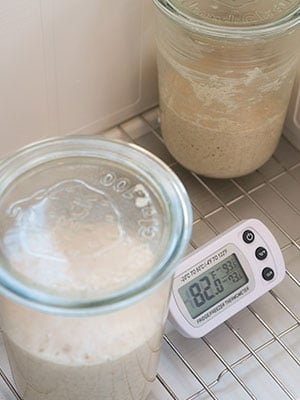
Not getting through to the Amazon link for the square Ambient Thermometer, is there another place I can get it?
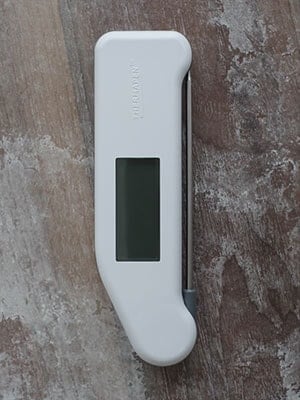
Hey Shannon! This is the thermometer I've been using these days, it's great! (I also updated the list above.)