

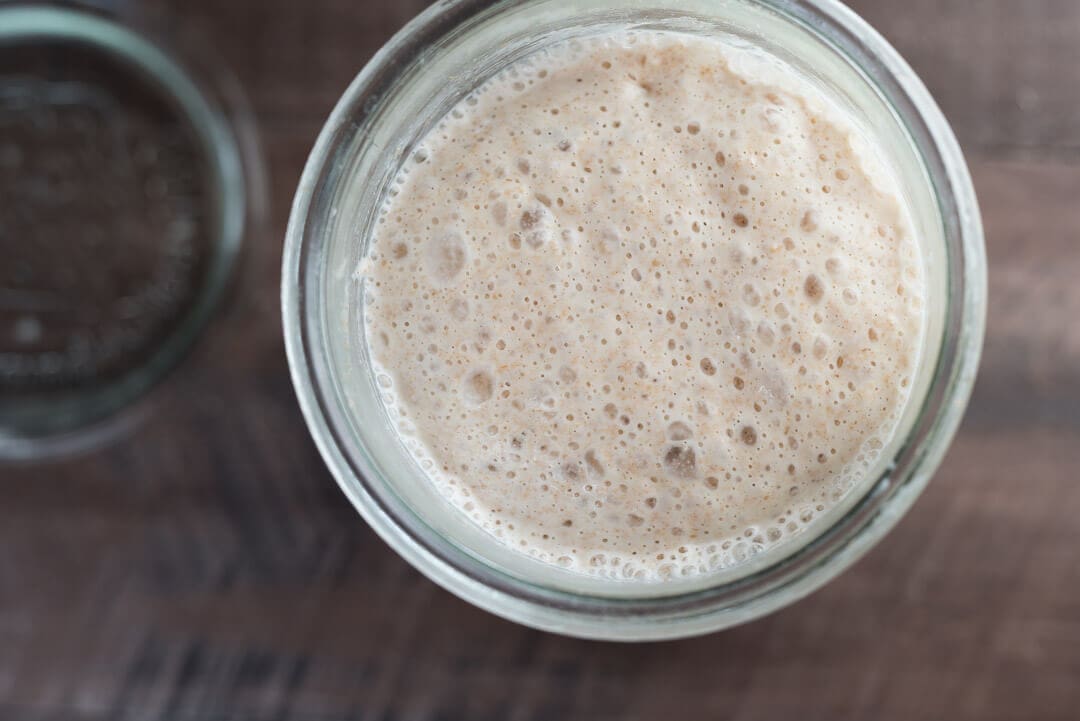
Your sourdough starter is the cornerstone of delicious and healthy sourdough bread baking. But, it’s also a source for a never-ending accumulation of starter discard. The good news is you can use this excess starter in any of the following sourdough starter discard recipes. This discard gives you even more delicious things to make in the kitchen!
What is Sourdough Starter Discard?
To keep your sourdough starter healthy, you need to provide it with fresh flour and water on a schedule. Each time you refresh (feed) your starter, you must discard some of the fully fermented mixture in the jar. Discarding helps keep the acidity low in your sourdough culture, which keeps it strong and healthy. If you didn’t discard it, you’d also eventually have an unwieldy sum.
You can always use this discard by directly mixing it into a dough for baking. Your discard, as long as it’s in good shape, will leaven any bread dough just as well. The discard is just like a levain you would make for a recipe. The only difference is it’s the same makeup as your starter.
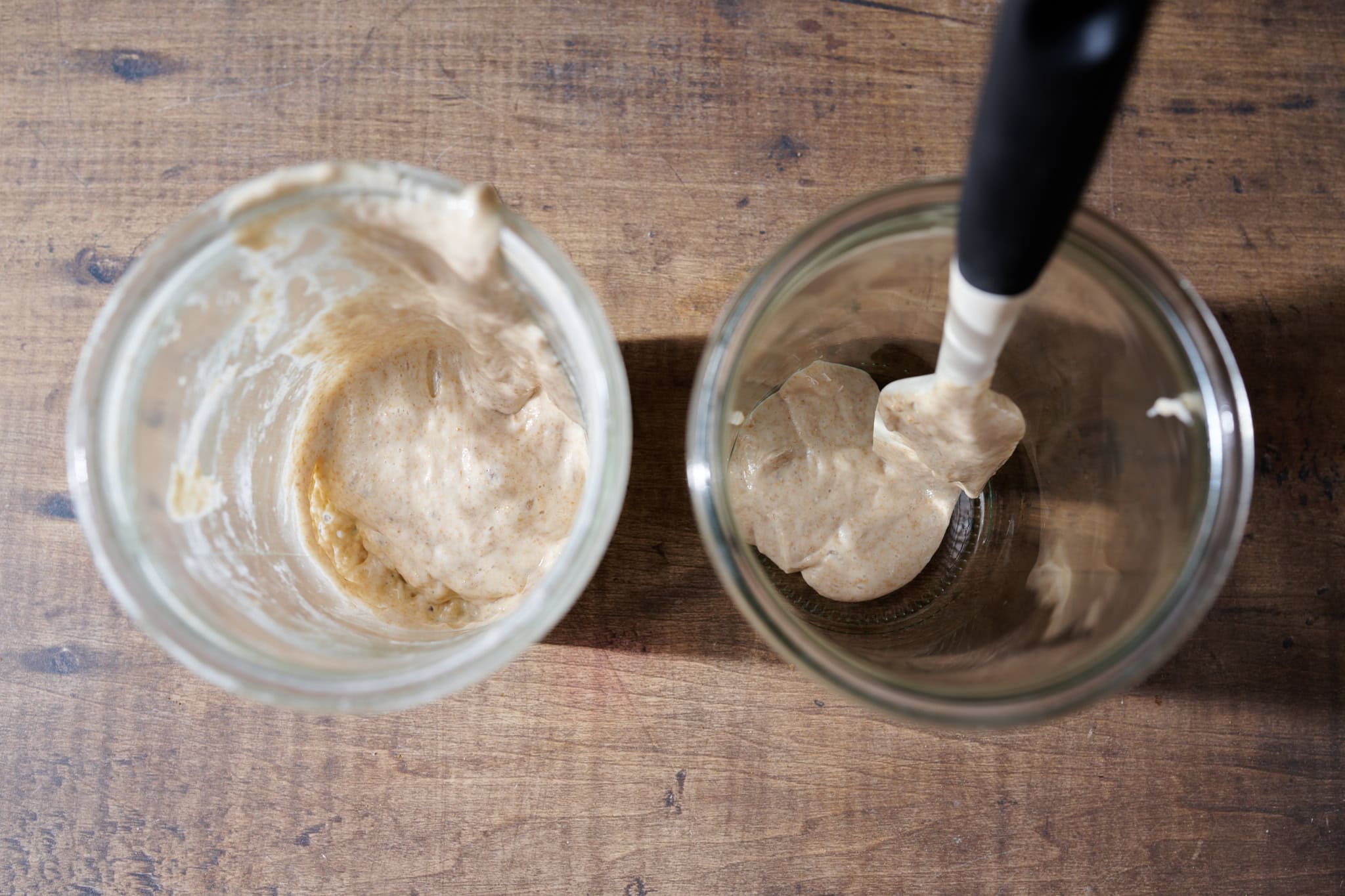
You might see sourdough starter discard as waste—after all, you probably compost or toss it more often than not. However, I see it in a different light: it’s the byproduct of keeping your beneficial bacteria and wild yeast healthy.
Think of starter discard as food that was used by your sourdough culture; it wasn’t wasted resources.
And so we refresh our starter each day (I refresh (feed) my starter twice a day since I bake often). When you frequently refresh, especially if you keep your starter at room temperature, you’re ensuring your culture is healthy and vigorous. Frequent refreshments also help avoid an overly acidic mixture, which can deteriorate its fitness over time.
But just because we refresh and discard often, doesn’t mean we can’t use the discard (like in focaccia!) or collect it and use it later. Let’s look at saving up sourdough starter discard.
Saving Up Discard
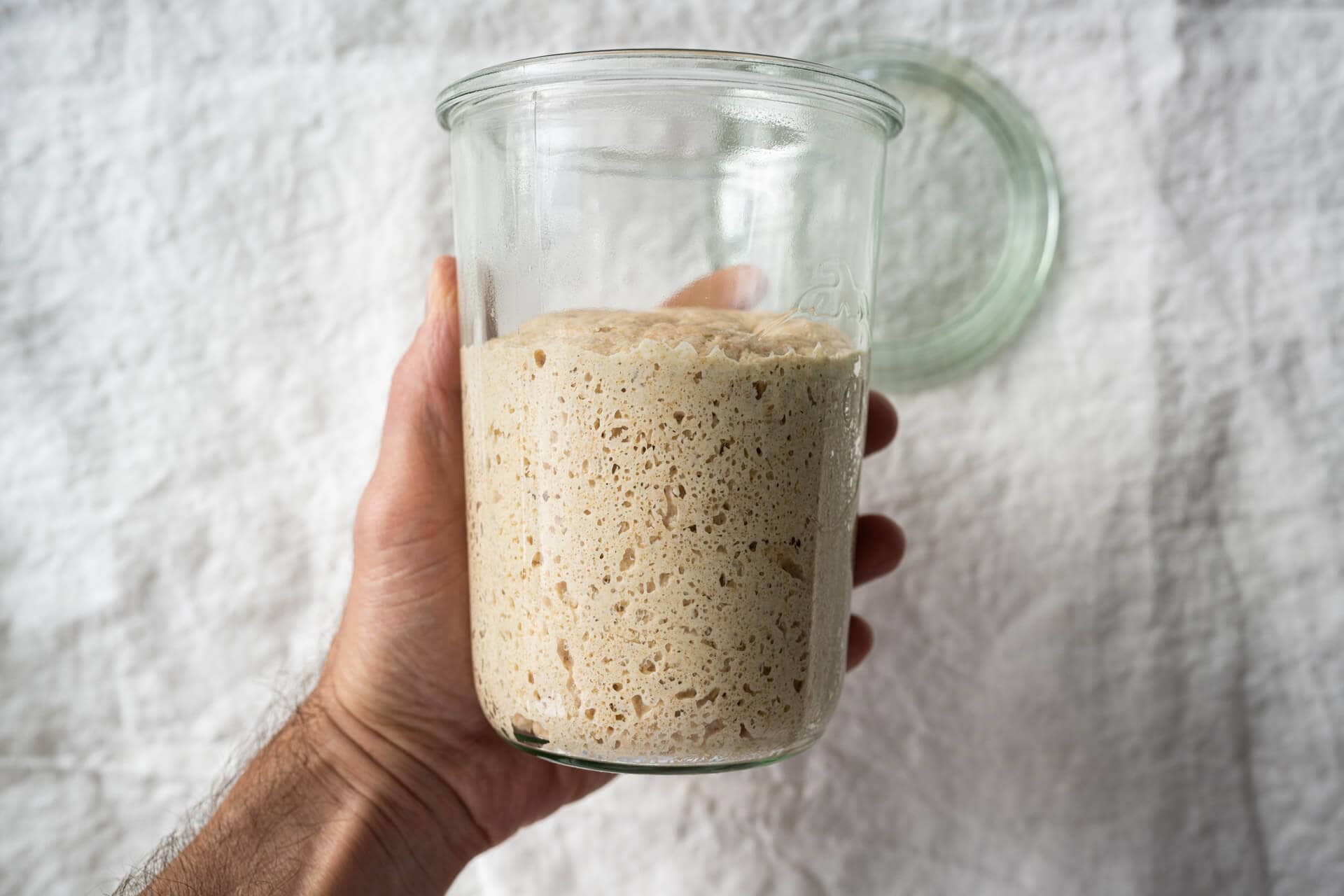
One of my favorite things to do is save my sourdough starter discard in the refrigerator throughout the week. Each day when I refresh my sourdough starter, instead of taking that starter discard and throwing it in the compost, I put it in a tall Weck jar (without the clips, but covered) in the refrigerator.
I call this my sourdough starter discard cache and it’s full by the weekend and ready to be used in many of the recipes below. Typically, I’ll use some for sourdough waffles or pancakes on Saturday and either blueberry muffins or banana bread on Sunday. Making this “starter cache” means that, I’ll have little to no sourdough starter discard going into the compost bin for a given week.
Latest Sourdough Discard Recipes
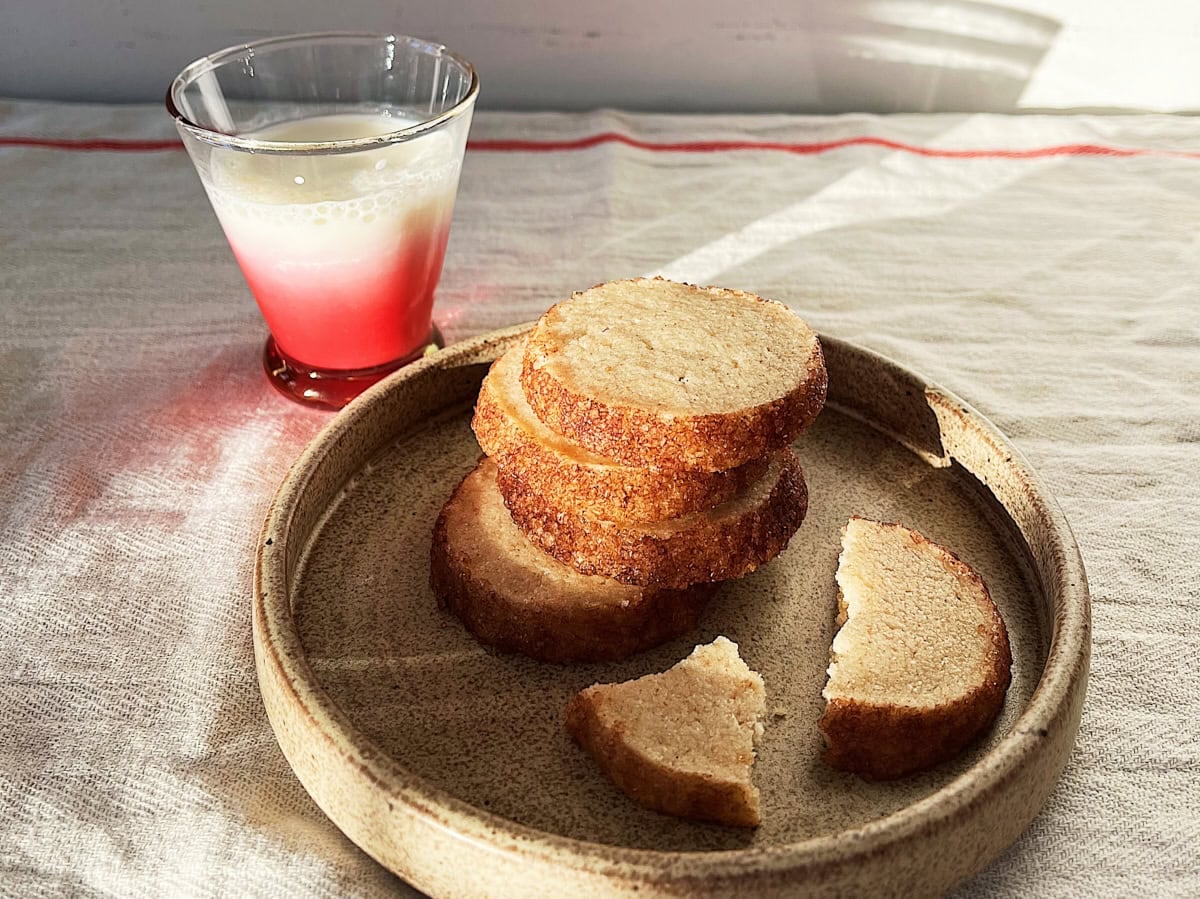
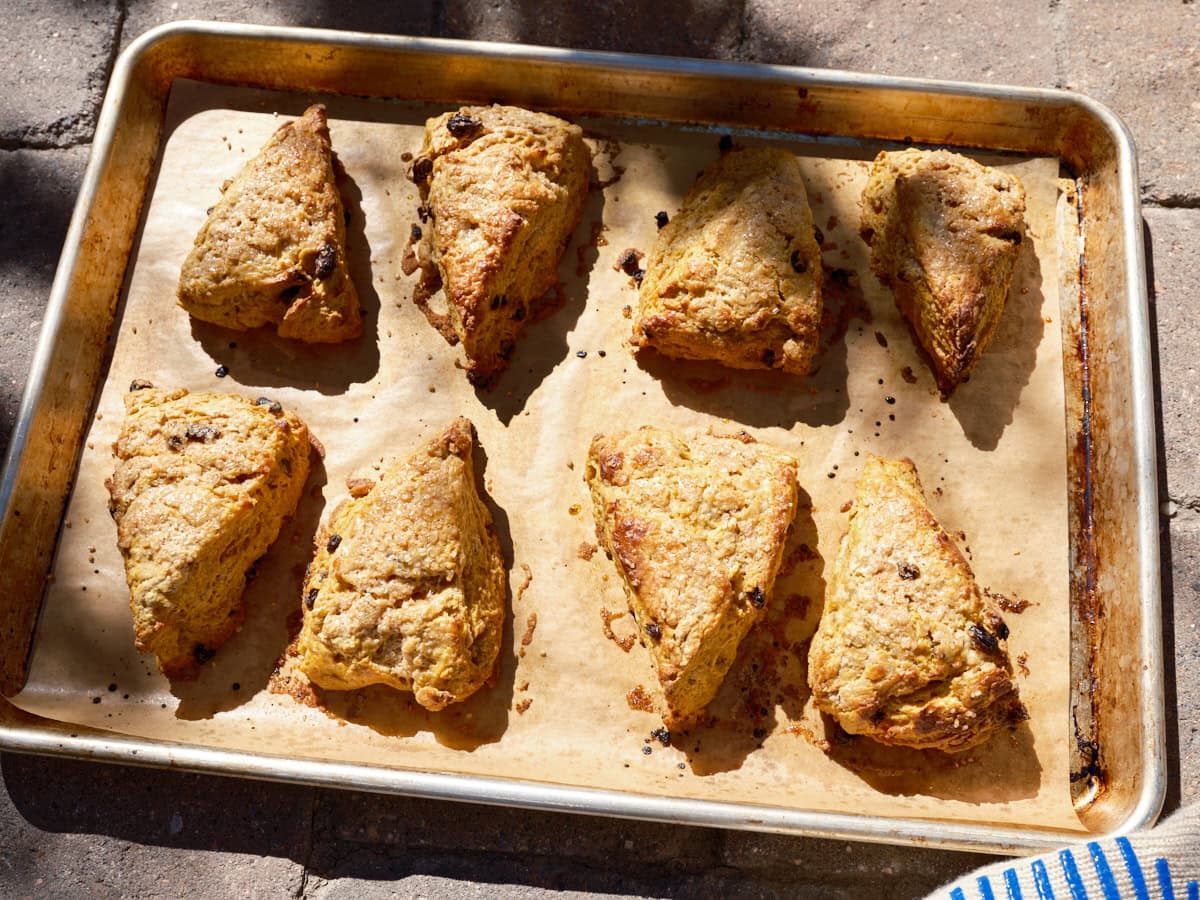
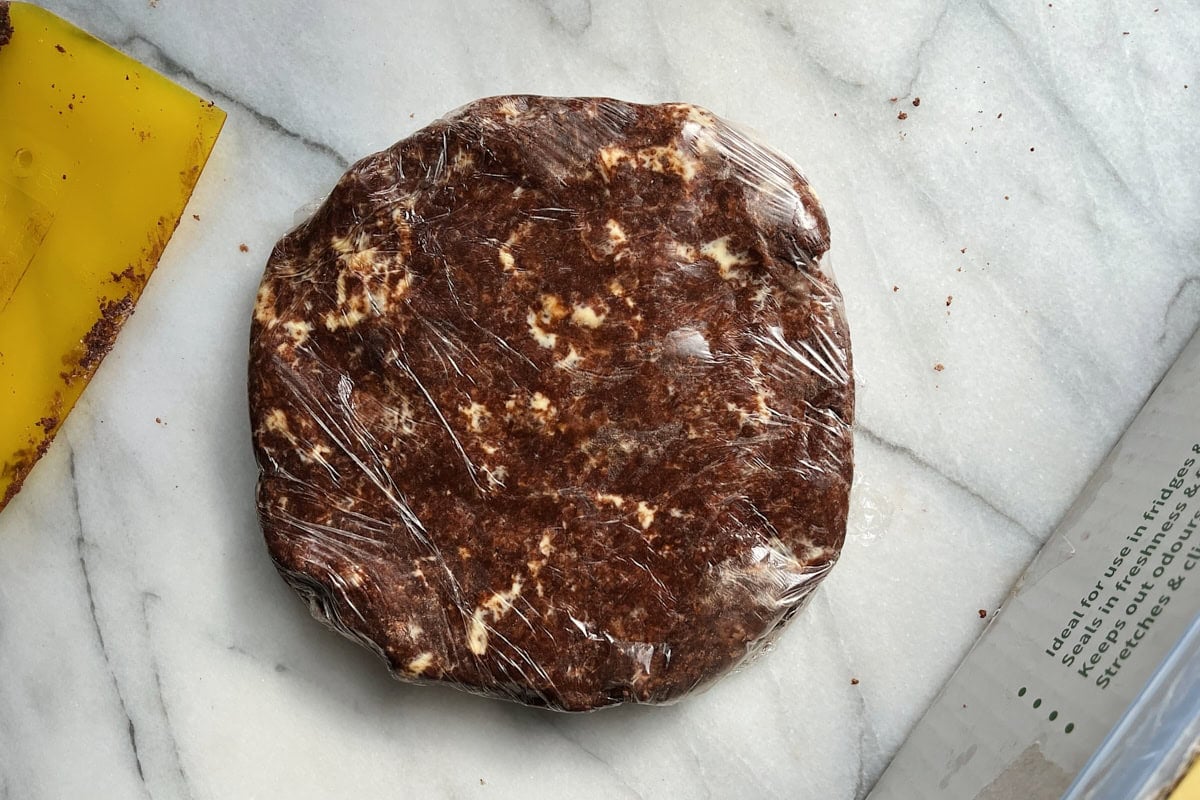
See all sourdough starter discard recipes →
And more sourdough starter discard recipes are yet to come. If you didn’t see what you were looking for, please leave a comment below and I’ll get test-baking!

130 Comments
Thank you for making such a fabulous website! Do you have a recipe for sourdough biscuits by chance?
You’re very welcome! I don’t have one for biscuits, but scones, yes:
https://www.theperfectloaf.com/sourdough-starter-discard-scones/
Do you have a discard recipe for pretzels?
If your starter is made with equal amounts of flour and water, figuring out how to use it in your favorite recipes is rather easy. For example, if you use 100 grams of discard in your fav pretzel recipe, then decrease the liquid you use by 50 grams, and do the same for the amount of flour.
Not with discard, but these sourdough pretzels are amazing:
https://www.theperfectloaf.com/seriously-soft-sourdough-pretzel/
Thank you! I will give them a try.
Second page and next button still not working.
They seem to be working okay over here, Jeff?
Yes, I cannot get to page two either
Fixed now, Mary!
Hi! Just an fyi: the ‘next’ button isn’t working for looking at page 2 of the recipes! Love the recipies though
Fixed now, Elin! Sorry 🙂
Recycling sourdough starter— for compost how is this done? I have a standing cylinder container for compost that tumbles with other food waste-not wanting the starter to stick to the container I do not use discard starter-but would in an “ in-ground compost” –
So any gardening tips or yogurt/pudding recipes or least caloric-dense recipes for using our starter discard would be wonderful!!!
Thank you for researching this.
Sincerely
Elizabeth Hurley
Hey, Elizabeth! I add my starter discard to my compost all the time, but my compost is a large cylinder outside. Just be sure you mix it in with something that’s dry if you’re worried it’ll stick to the container!
Do you have a Sweet potato bread recipe with sourdough discard? The sweet kind like banana bread.
I don’t but this sounds delicious (I’ll work on it!). In the meantime, you can use sweet potato in this:
https://www.theperfectloaf.com/soft-sourdough-potato-buns/
King Auther published a recipe for Three Kings Cake. Can you experiment and adapt to to make it with sourdough starter?
That’s very possible. I’d love to try this…
Do you have to wait until the 7 days is up before using the discard for the starter?
Yes, I would wait until your starter is rising and falling predictably each day.
How long does sourdough discard keep fresh for in the fridge?
I usually keep it for up to two weeks.
In the read it made it sound like I could keep adding each day to my container of discard but refrigerate? You say for 2weeks, can you clarify? Plus could I start keeping my discard on day 2? Or which day is it OK to start using my discard? Thanks!
After taking starter out of the fridge, what ratio should I feed it, and after how many feeds can I make a a sourdough bread? Thank you!
Any chance of getting an aebleskiver recipe with sourdough discard?
I love this idea. I’ll work on it! Until the, I would say my starter discard waffles will work there:
https://www.theperfectloaf.com/my-best-sourdough-waffles/
I’m looking for a focaccia recipe using sour dough discard. Any chance you may have a recipe for that?
I don’t have this, but your ripe starter “discard” will work in my focaccia recipe if used when it’s just ripe!
In my cookbook, Cheryl! I’m working one for the website, too 🙂
I am confused on how much to discard, nothing I read tells approximately how much to discard with each feeding. I prepare my dough each evening for bread baking in the mornings. I take what I need for my recipe and then feed my starter with a 1:1:1 ratio starter/flour/water. I was discarding in the beginning but have not the last couple days as I am unsure of how much to discard after already taking some out for my bread recipe?
Hey, Paige. I talk about it in detail here on my post discussing how I feed my sourdough starter. Let me know if that post doesn’t answer your Qs!
Are you adding fresh milled flour to your sourdough starter? If so, what kind? Thank you!
You absolutely can if you’d like. I don’t typically, but there’s no harm in doing so! Any hard wheat would work well.
Hi Maurizio, I believe I saw a recipe for chocolate sourdough bread, with cranberries maybe? Was I dreaming or is this a real deal? Sounds heavenly! But I cannot find it. I’ll let you know how wonderful it is if you can share the recipe…
Thanks so much for all of your helpful tips and advice!
It’s the real deal, here’s my chocolate sourdough recipe! Enjoy 🙂
when reactivating the refrigerated starter discard – what are the proportions of starter discard / flour / water to use ?
is it best to let the discard come to room temp before feeding for use in the recipes . and once fed do i use it when doubled in size or when? thanks and sorry for so many questions. this will be my first bake.
If you’re using the discard in one of the recipes above, you don’t have to reactivate it, you can just use it directly since it’s not responsible for leavening!
Loving your small starter instructions and discard recipes! Your banana bread is a favorite of mine. I also came across a fantastic 4 ingredient, ~10 min. start to finish Sourdough Crumpets recipe on King Arthur flour site that uses nearly all my week’s discard. I make them free form instead of in rings and has become my toast replacement. Wondering if you’ve tried that or if you might have a version of your own to share? This is a fabulous and informative website — thanks for what you do!!
I made that crumpet recipe yesterday and baked them in my mini waffle iron as suggested by other commenters. Awesome recipe! The waffle iron crisped them up perfectly. I’m going to try it with different mix-ins like savory scallions, cheese, and/or jalapeños. Or for something sweet – bananas, cinnamon, or apples.
I’ve been working on a crumpet recipe, actually! Hope to have this posted here soon 🙂 Thank you so much for all the comments, Robin!
Starting to figure out how to add discard to some of my favorite non-SD recipes. Made a delicious banana cake with discard twice, both times the results were delicious. Once I understood that the discard is for flavor and not leavening, it opened up a whole new world. Chocolate cake is next on the experimentation schedule. This SD thing is a big, beautiful new world I’ve jumped into, and my brain is on fire. The good news is, with every new bake my co-workers have become ever-willing guinea pigs. (Gives me the chance to enjoy a small portion and then get it outta my house so I don’t have to buy bigger pants!) Thanks for the beautiful inspiration and guidance.
Yes, it can be used in so many things! It’s always good to have guinea pigs, too, it lets us bakers experiment and practice that much more. You’re very welcome, Patty, have fun!
My loaves just came out of the oven and look wonderful. Thank you for this great site. I have some blueberries in my fridge – now to go on and try your discard blueberry muffins. Thanks again and appreciate all you do.
You’re very welcome, Karen! Glad the bread came out wonderful. Enjoy the muffins, I’m making some this week myself!
Hi there! Would love to see a sourdough english muffin recipe 🙂
Working on this 🙂
After my starter is ripe how often do I need to bake bread
Only as often as you’d like! Check out my starter guide page for sample baking schedules and techniques for storing your starter when you don’t want to bake.
Hi! In a talk on Youtube by authors of ‘Modernist Bread’ they said you could use the discard +some yeast to make great bread and had a great picture (of course) of a ‘artisan bread’. Have you tried that way of using discard? Stay safe! /Anders
What you’re doing there is essentially combining sourdough and instant yeast, which bakers do all the time! The “discard” they are calling for is what you’d use to make your sourdough bread anyway, but then a little added instant yeast for stronger rise and faster fermentation 🙂
Hey, Carolyn! So the discard that’s saved up in the fridge isn’t used for leavening bread, it’s only used as a flavor additive in a way, to things like waffles, pancakes, banana bread—which all rely on baking soda/powder as the leavener. So it’s ok if the starter saved up in the fridge looks lifeless and has no bubbles, it’s only there for flavor, anyway 🙂
Hi! Maurizio + Carolyn…. thanks for bringing this up…. now i am confused 🙂 i do use my weeks old discard to bake a perfectly good loaf of simple naturally leavened bread with out any other agents!
This seems to work for some, but does not for me!
I’ve been using refrigerated discard to bake bread since the very first sourdough loaf I made in January 2021. I was given a quarter cup of started from a friend in July of 2020, which I put in the fridge and didn’t feed or do anything with until 6 months later. I would watch the ink color liquid form over the starter, which I was warned would happen, so knew that it was normal. When I finally had the time, after retiring, I took it out, mixed it, fed it twice a day for a couple of days, and had a thriving active starter, with which I made my first successful sourdough loaf. Since then, I have always kept my starter in the fridge, and when I want to make a loaf, 2 days prior I ladle out 50 grms in the evening (around 7pm), feed it, and keep it on the proof setting in my oven, and have an active bubbly starter (more than doubled) by 6 or 7 am the next morning. I have become obsessed with making at least 1 of Maurizio’s recipes a week. Every single one has turned out amazing, including sourdough banana bread & pancakes with the excess discard I accumulated over the last year. My most recent obsession is making sandwich breads. So far both have been fantastic (pan de mie, and the whole wheat). My husband won’t buy bread anymore because these taste sooo good.
Really interesting process there, Jaklin! Glad to hear that works for you. I’ve tried over the years to do this, and my starter just doesn’t perform well when coming straight from the fridge. If it did, I’d probably change things up a bit too. Thanks for the comments!
But she doesn’t use it straight from the fridge. She said that she takes a portion out of the fridge in the evening, feeds it and keeps it in her oven, on the proof setting (so warm temperature).
Maurizio, perhaps you could consider coming up with a Scone discard recipe? Thanks.
Great suggestion, Angel! I’m working on that 🙂
I make a johnnie cake with a egg, starter, maseca ( corn flour ) some yogurt or dry milk maybe water and fry it in butter, no special measurements, just mix it up like a thick pancake.
A few others have said they make cakes like this! I haven’t tried it, but I need to give it a go!
I eat some sort of curry, tofu stir fry or lentil soup every night, and lately I’ve started saving my starter discard and I am making flatbread with it that I eat with dinner instead of rice. It’s very delicious, really fast (faster than cooking rice) and I reduce waste. All I do is add some salt, a bit of water if the starter is really stiff and maybe a tiny bit of honey to balance it all out. Then throw it on a hot pan and use it as a spoon to shovel up the food indian style. Can recommend.
Also if you’ve ever had Ethiopian/Eritrean food, they also eat these fermented pancakes called ‘injera’ and they use them kind of like Indians use roti (eat with just the hands and use the bread as a shovel for curries etc). They are really tangy/sour and delicious.
Anyway the pancakes/flatbread I make with the discard tastes very similar and, unlike injera, can be made in just a few minutes
That sounds great. I love injera! I’ll be giving your idea a try.
Love these ideas! I’ve been making flatbread, crepes, and other things in similar fashion. All really easy ways to use up that discard. Injera sounds fantastic!
I did not know the name of the flatbread but I make it all the time. When making dinner and need a starch I just throw some of that in my cast iron skilled with some salt, pepper and herbs on top – yummy!!
hello do you have any discard recipe for donuts?
Hey there! It’s not a discard recipe, but here’s my recipe for bomboloni (Italian style dougnuts). They’re wonderful. Happy baking!
I have made sourdough naan bread to go along with my indian dishes! Have you your own recipe??
That’s wonderful, Jody! I’ve experimented with this but haven’t 100% settled on a recipe just yet 🙂
Hey there, Maurizio! I’m trying to adjust some non-bread recipes to include discard. I’m interested in your take on the best method to do this and your opinion on how – beyond flavor – discard behaves in a recipe. If I’m adjusting a pre-existing recipe to incorporate discard, would you recommend calculating the recipe’s hydration percentage and accounting for the discard’s hydration percentage when making substitutions? When considering substitutions, my inclination is to sub out some egg white (and/or water?) instead of fat because the discard is so glutinous. Thanks for taking the time! I appreciate your thoughts!
I usually sub out water in the recipe for appx the amount of water in the discard. Because the flour is usually super well-fermented in my starter it doesn’t really act like flour, it’s more like “dead weight” added to the mixture. I’m not sure I’d sub out egg whites, but I see your thinking there. The egg whites will bring strength to whatever the baked good is, so you’ll likely want to keep that!
Have you ever tried just frying it straight? Kind of like a savoury crispy pancake? We do that and add in green onion, sometimes shredded carrot, squash, broccoli etc. Serve with an Asian style sauce for dipping (soy sauce, rice wine vinegar, sesame oil, sugar etc). My wife and kid love it.
Only thing I’m curious about if there are issues eating straight fermented dough…
I’ve seen many other bakers do this, kind of like a crumpet in a way. There’s nothing wrong with it at all, if you think about your starter, it’s basically just a super well fermented bread dough—and that’s just fine to eat after cooking/baking 🙂
I’ve been having the following for breakfast: 1 cup sourdough discard + 1 tsp sugar + 1/2 tsp baking soda + 1/4 tsp salt. Fry in a well-buttered skillet. Makes about 3 pancake/crumpet thingies – delicious and easy. (I’ve also seen these called ‘pikelets’ in some sources).
Thanks so much for all the information on your site. It has helped me immeasurably!
Those sound amazing, Rosemary! Thanks for sharing, I’m definitely going to give that a try.
We do the same! Spring Onion, Himalayan Salt, Ground Coriander and Paprika! Get them nice nd crispy! OH MY GOODNESS! My day cannot start without these
That sounds incredible!
how long can you keep the discard in the fridge?
I like to use it up within a week, but conceivably it could be longer. I know other bakers go two weeks!
I don’t see any recipes on this page…
Sorry about that, Sara! All fixed now 🙂
Hey! Thanks so much for the info, was wondering do you have to reactivate the refrigerated starter discard before using it in say focaccia or pancakes?
For focaccia I would, but for pancakes or waffles, it should be just fine to use it straight from the fridge!
Hi! When is it okay to start keeping the discard? I’m on day 4 right now, is that too early?
I found that after about 7 days my starter became active enough that I thought it was worth keeping. Before that point it wasn’t very sour tasting or bubbly. But yours might be totally different!
But still can be used in a dough instead of regular flour and water, right? It won’t have a special flavour, that’s all.
Like Jesse said below, usually after about 7 days I find it’s good to go. I don’t like to use my starter discard until it’s fermenting consistently for a few days!